Contemporary research shows a direct link between expressions of gratitude and happiness: When people reflect on who and what they are grateful for, they experience peace of mind, better physical health, and deeper, more satisfying personal relationships.
On Gratitude is a series of illustrated short stories inspired by 15 interviews during which people were asked to reflect on one individual who has influenced them in a positive way. The design is based on the metaphor of an “open-book,” because of the very personal anecdotes that arose in the interview process. As viewers browse the illustrations and read the accompanying narrative, On Gratitude hopes to inspire them to reflect upon their own appreciation of those who have touched their lives.
The Interview Process:
1. After contacting individuals for my interview, we set up a time and had approximately an 1 hour conversation discussing who they were grateful for. While taking notes on my laptop, I also asked for detailed examples and specific instances that they remembered about the person.
2. From our conversation and the notes I took, I pinpointed the moments that I believed were most poignant in their story to use for their illustration. Because I know there might be controversy that I am editing their story from my notes, and potentially changing their voice, I sent them the final version of their story and allowed them to make any changes they wished before publishing.
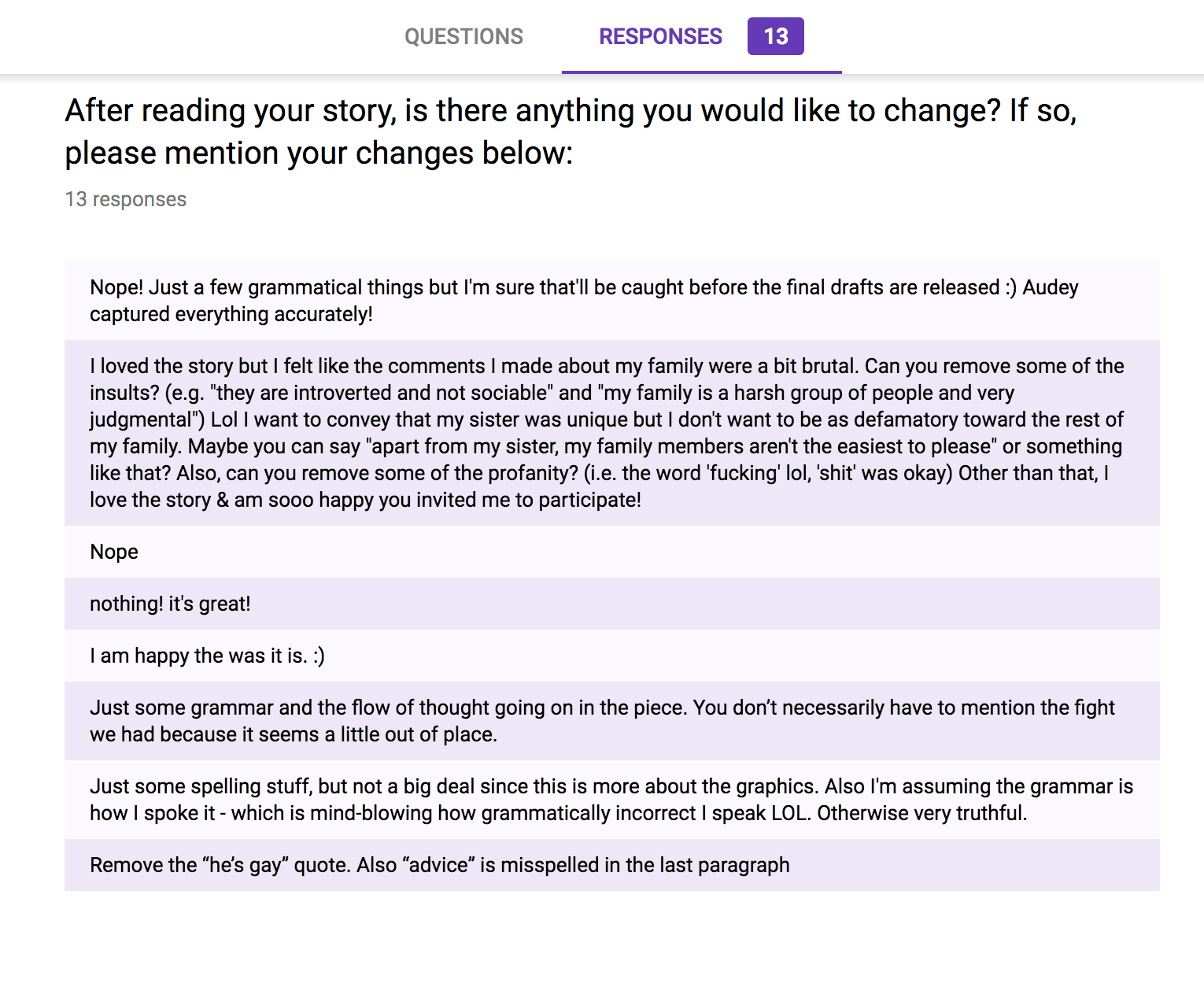
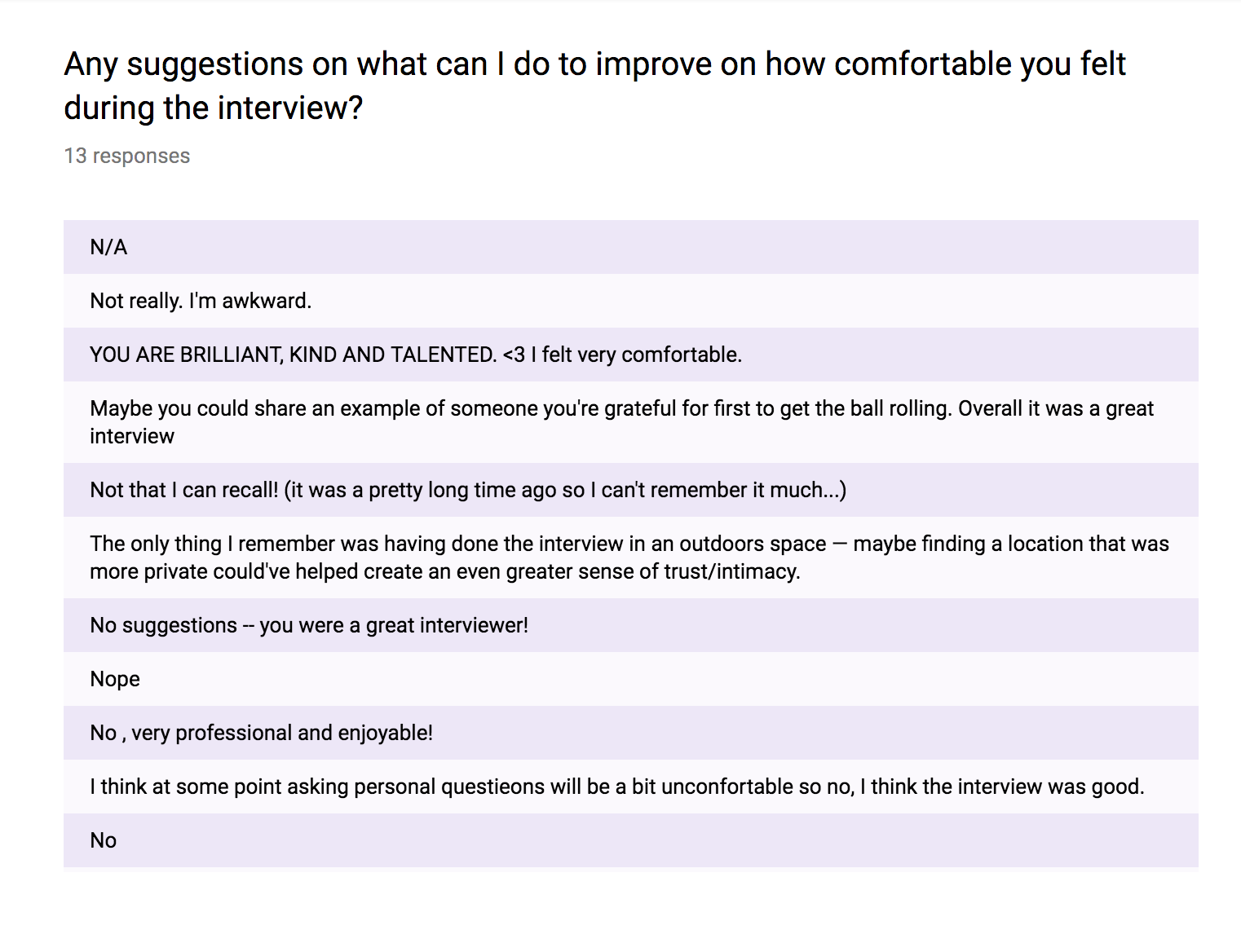
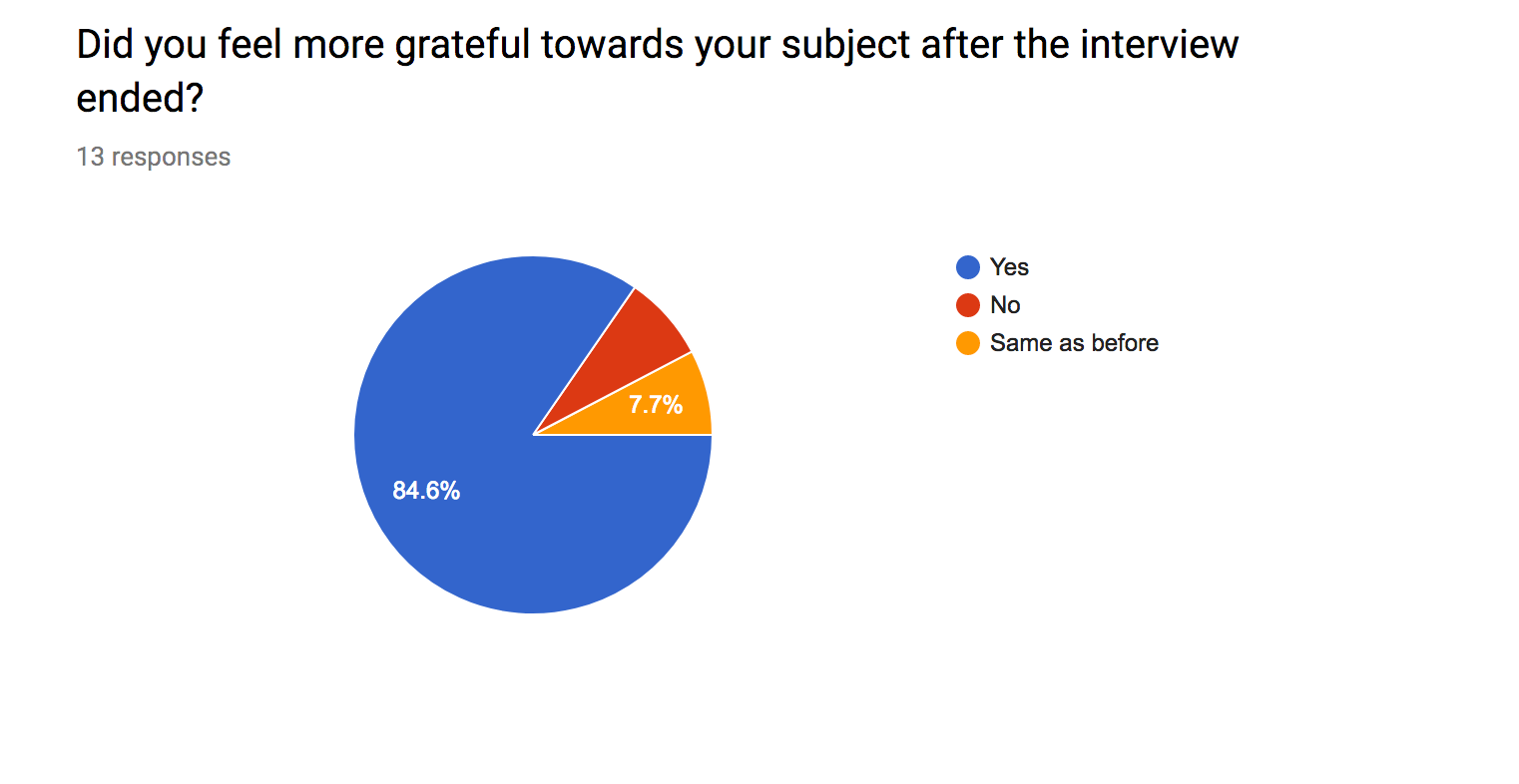
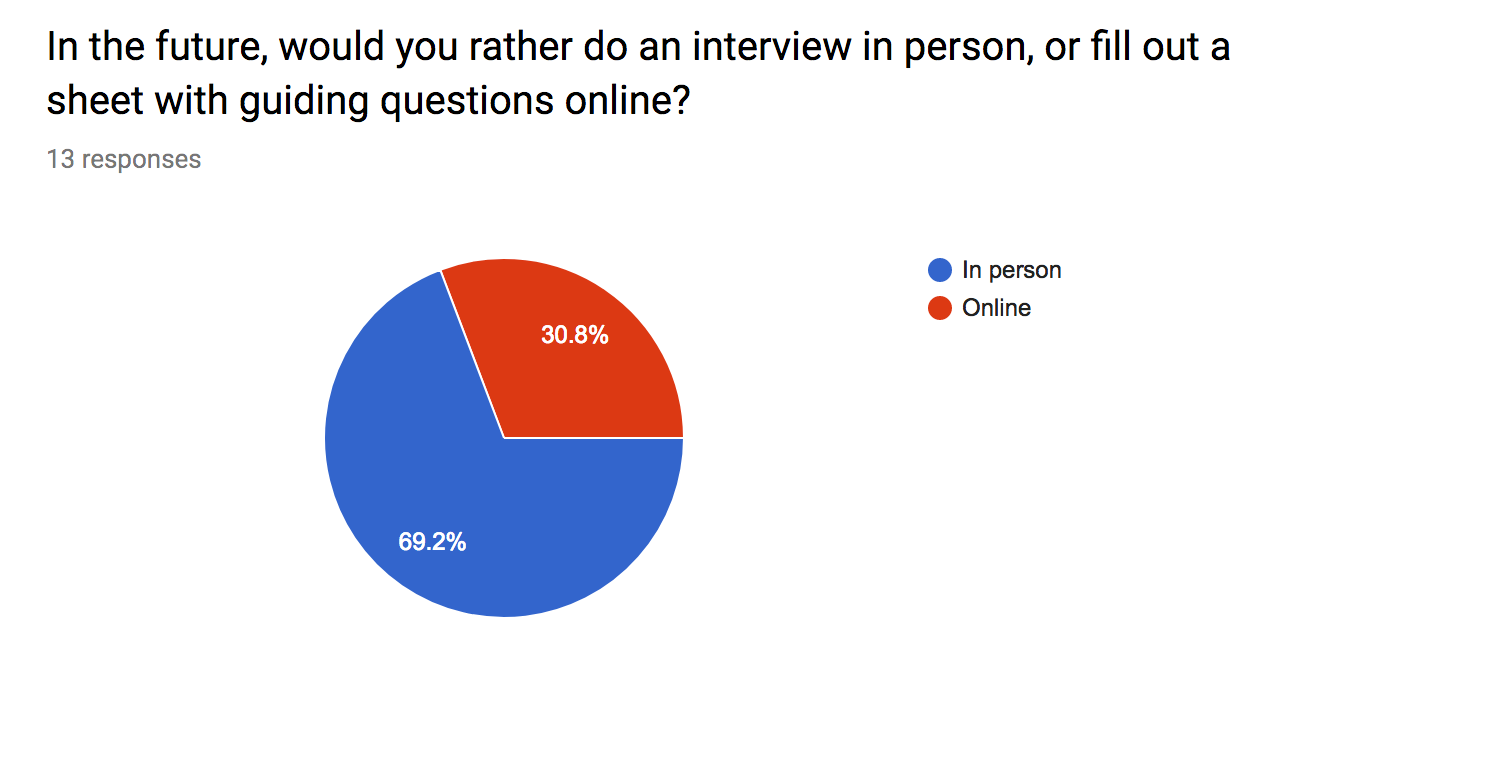
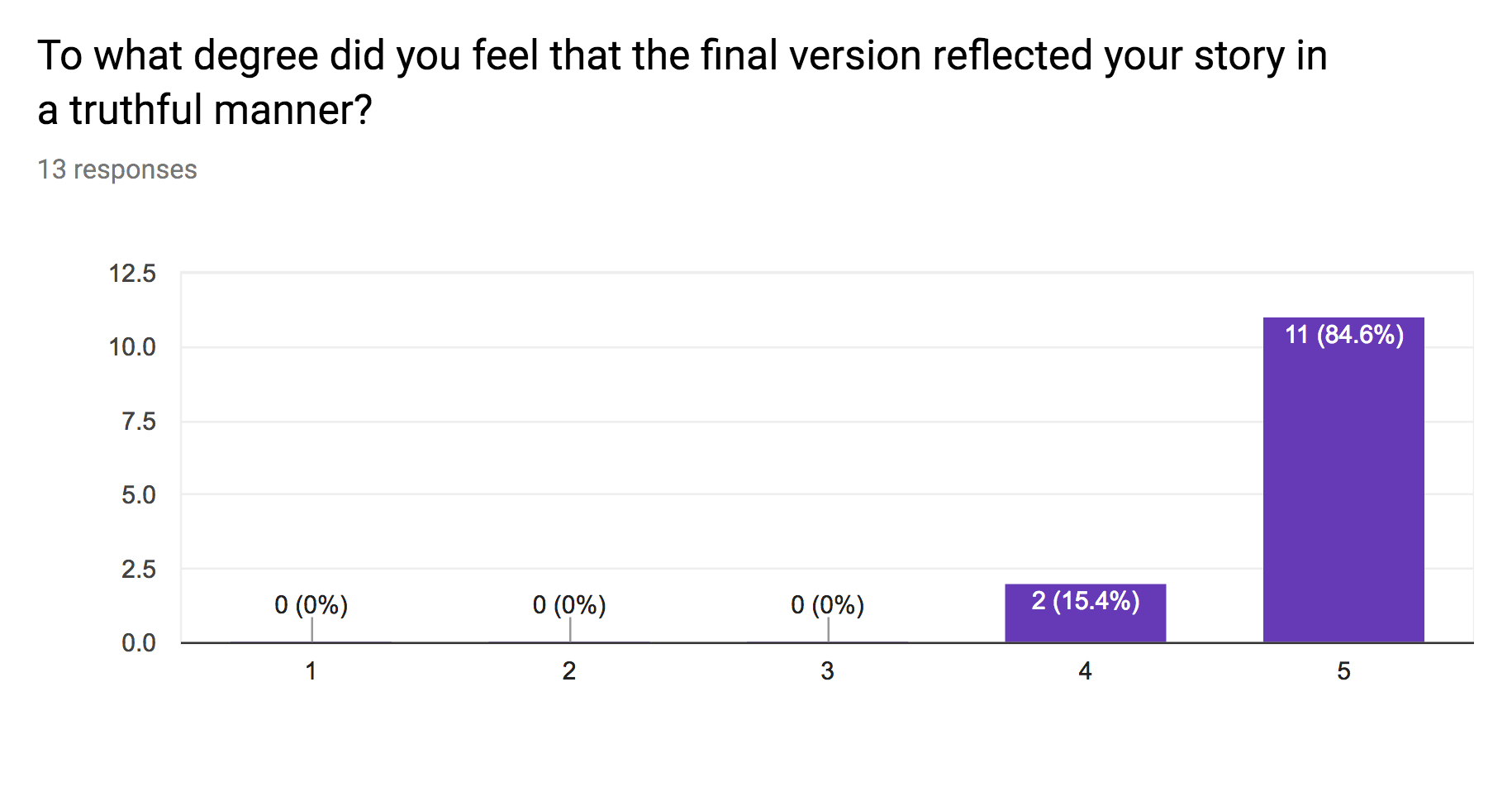
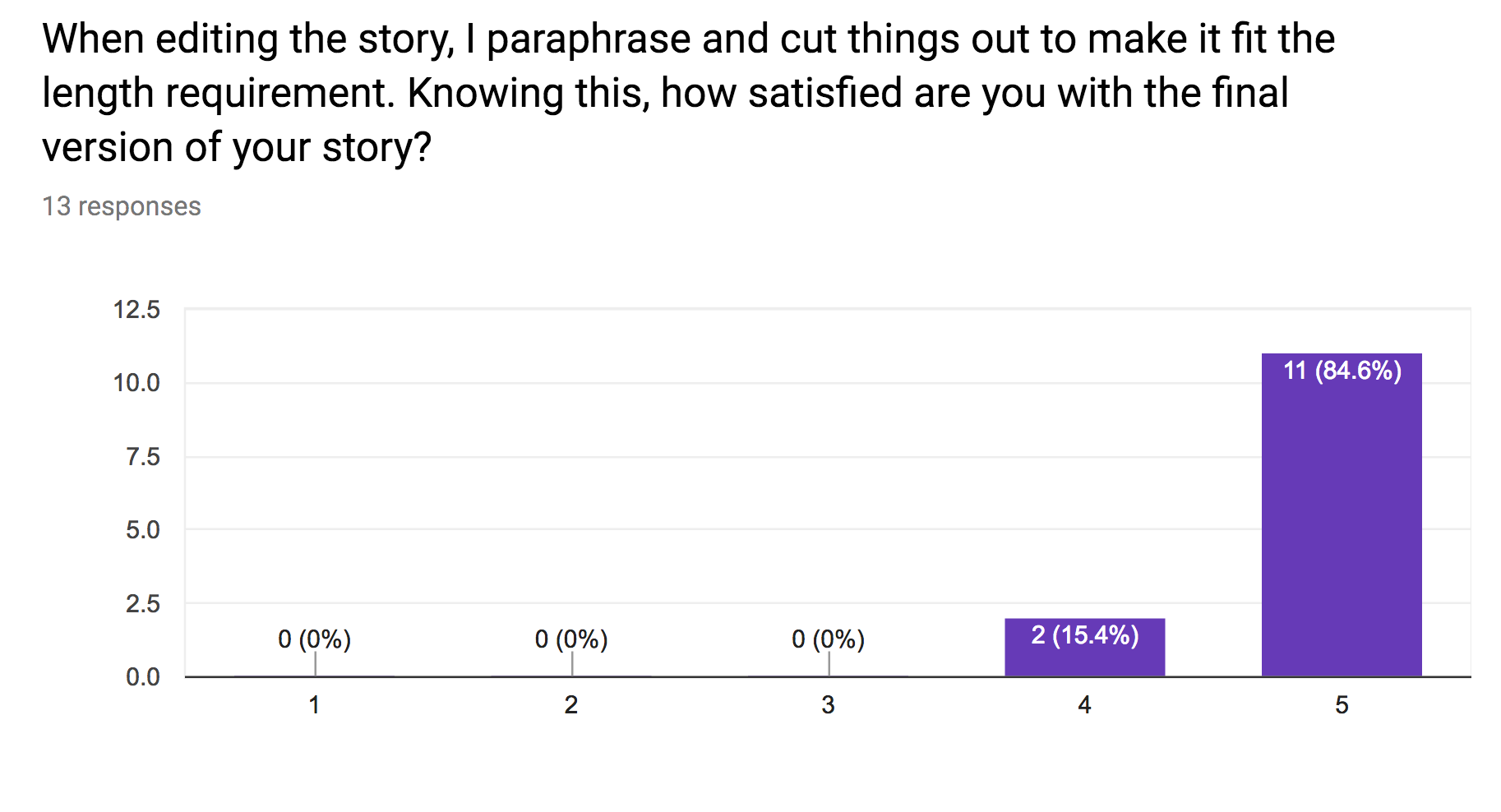
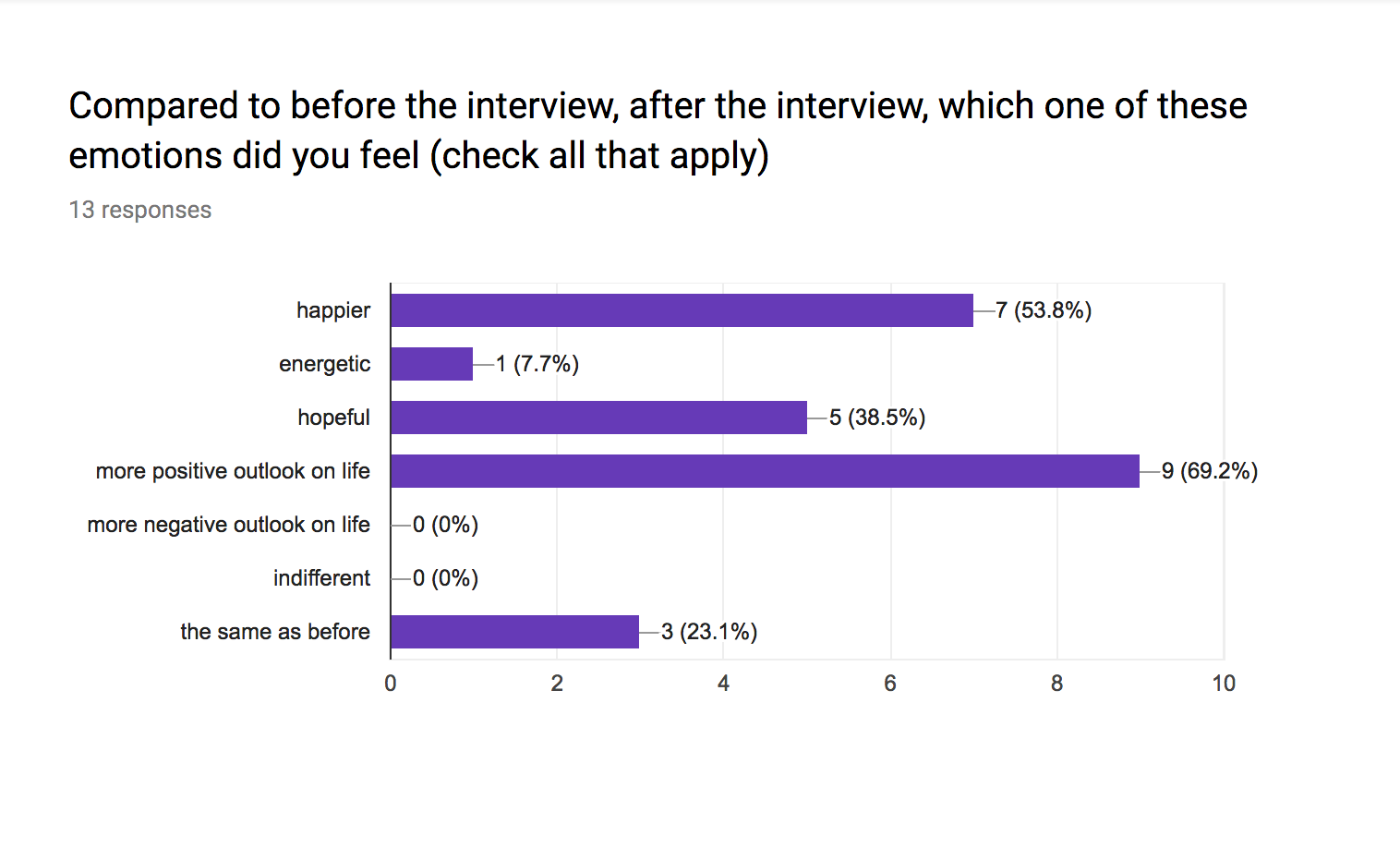
3. Finally, I sent all my interviewees a survey to make sure they were okay with my version of their story, as well as for feedback.
The Survey Results:
The Illustrations Process*:
*I will be using Amber's Illustration as the example.
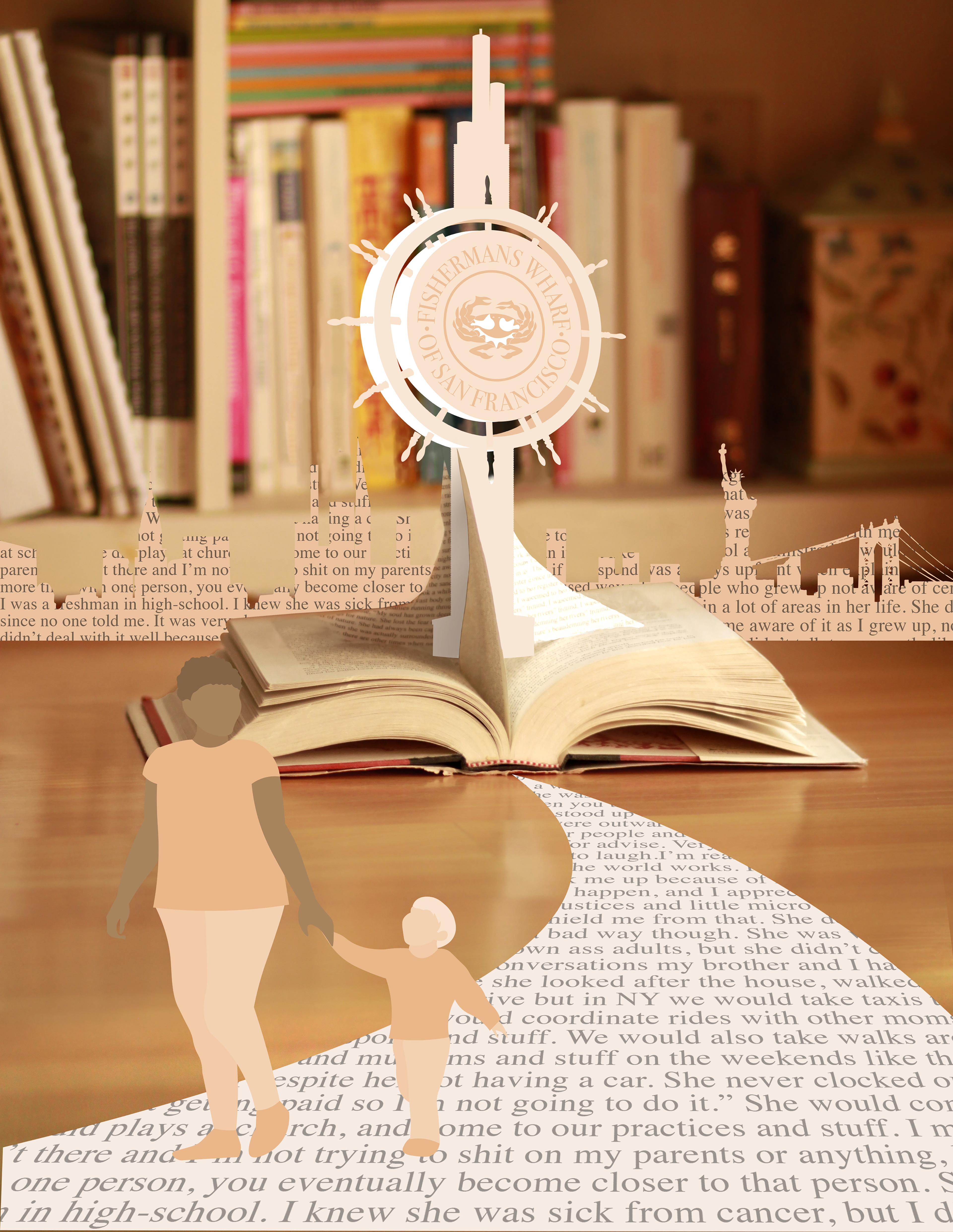
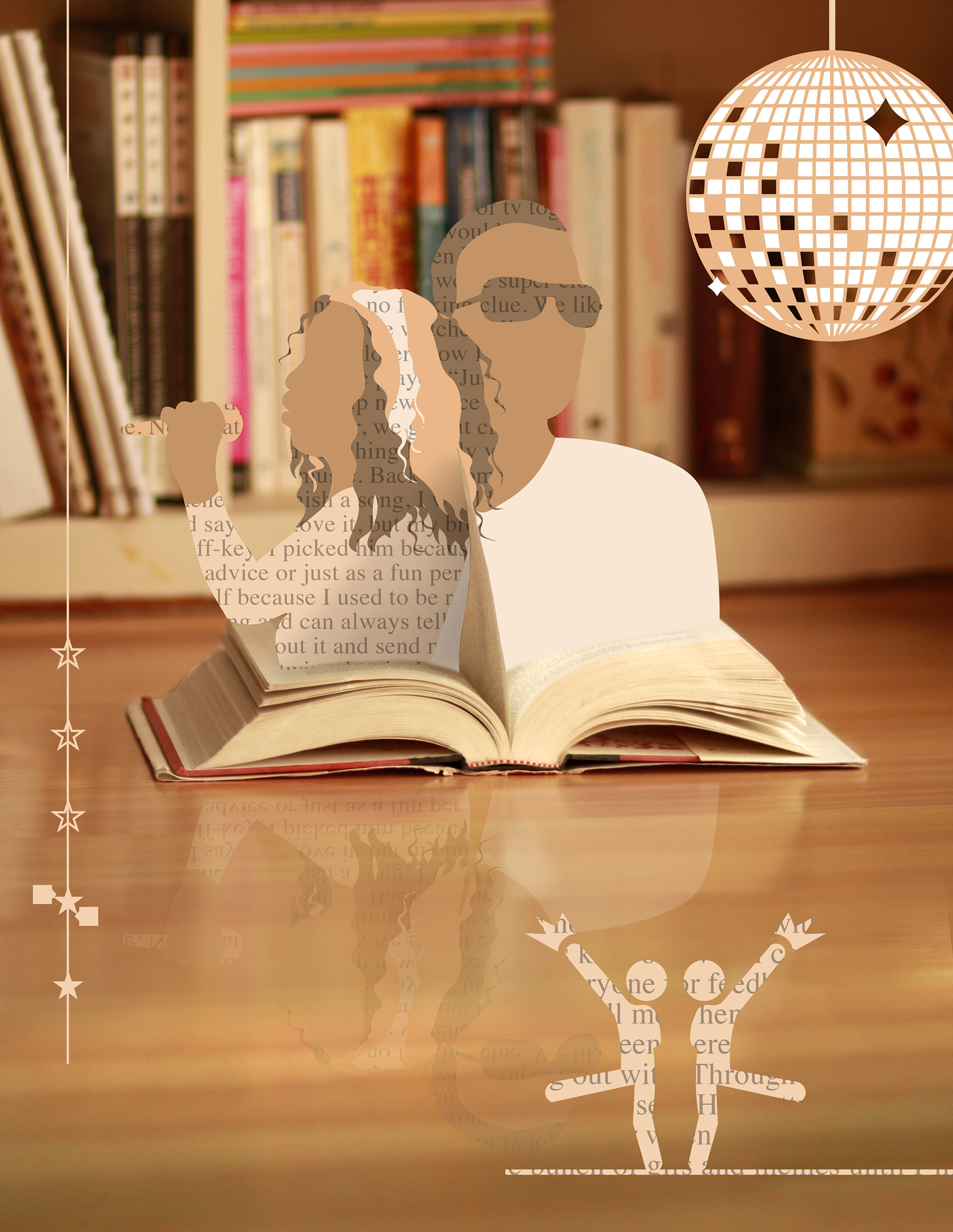
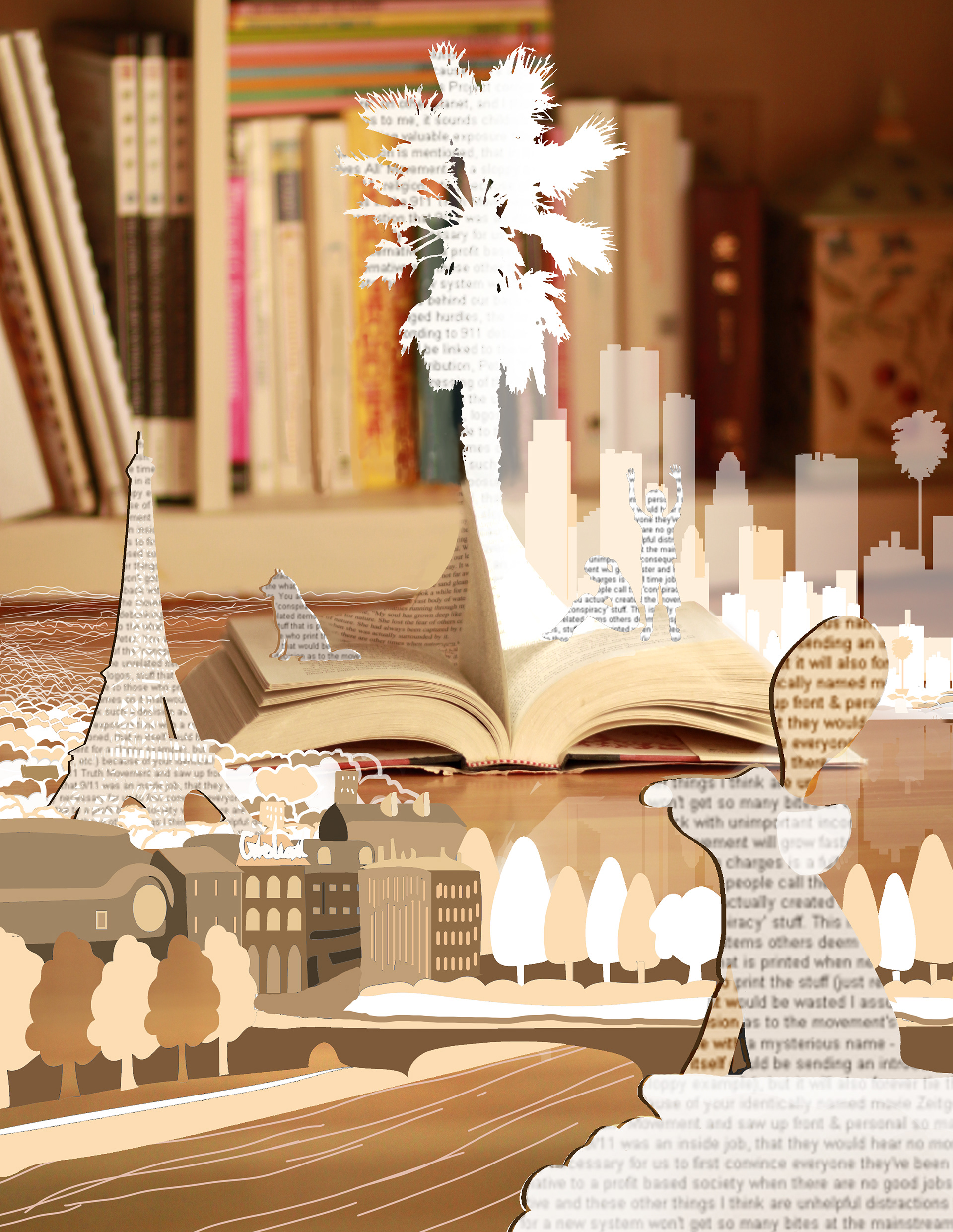
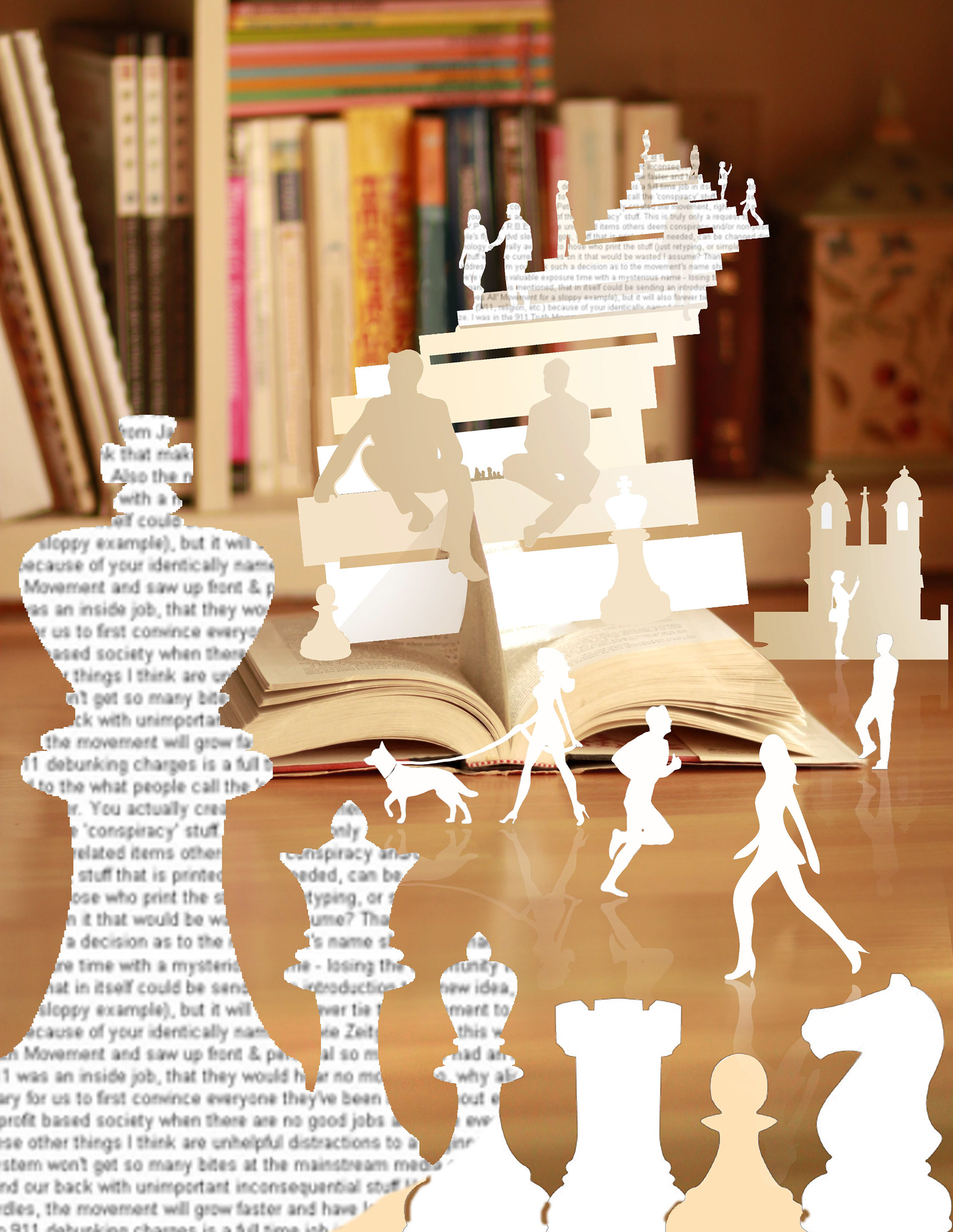
1. After pinpointing what I wanted to include in the illustrations for each story, I first screen-shotted stock image for inspiration, brainstormed, and sketched out potential compositions on photoshop. I used the "open-book" photo that I took in my living room.
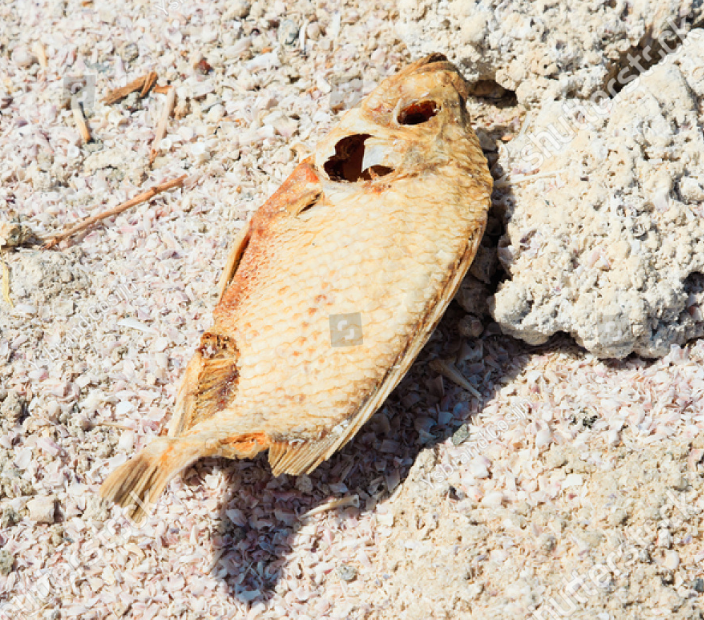
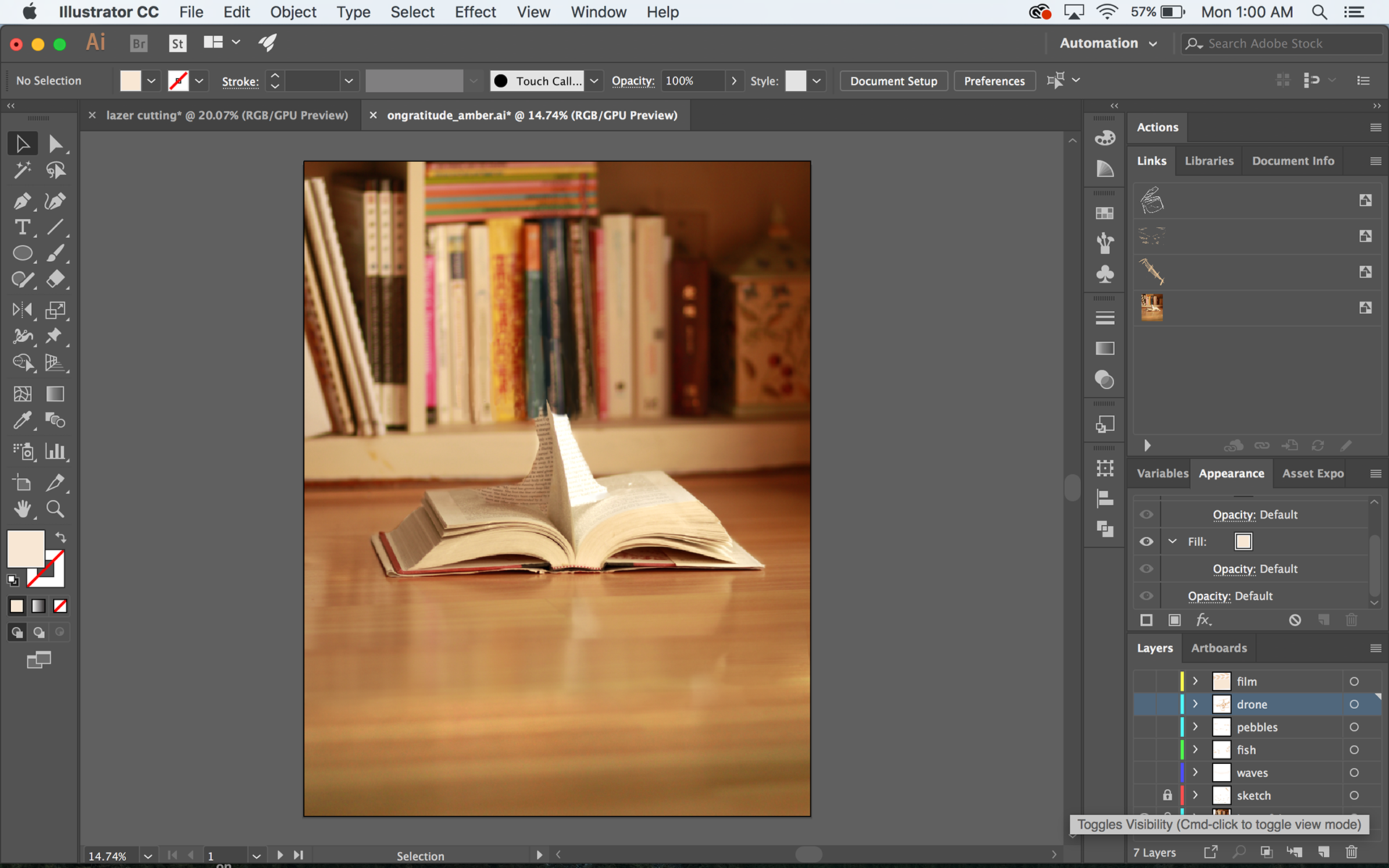
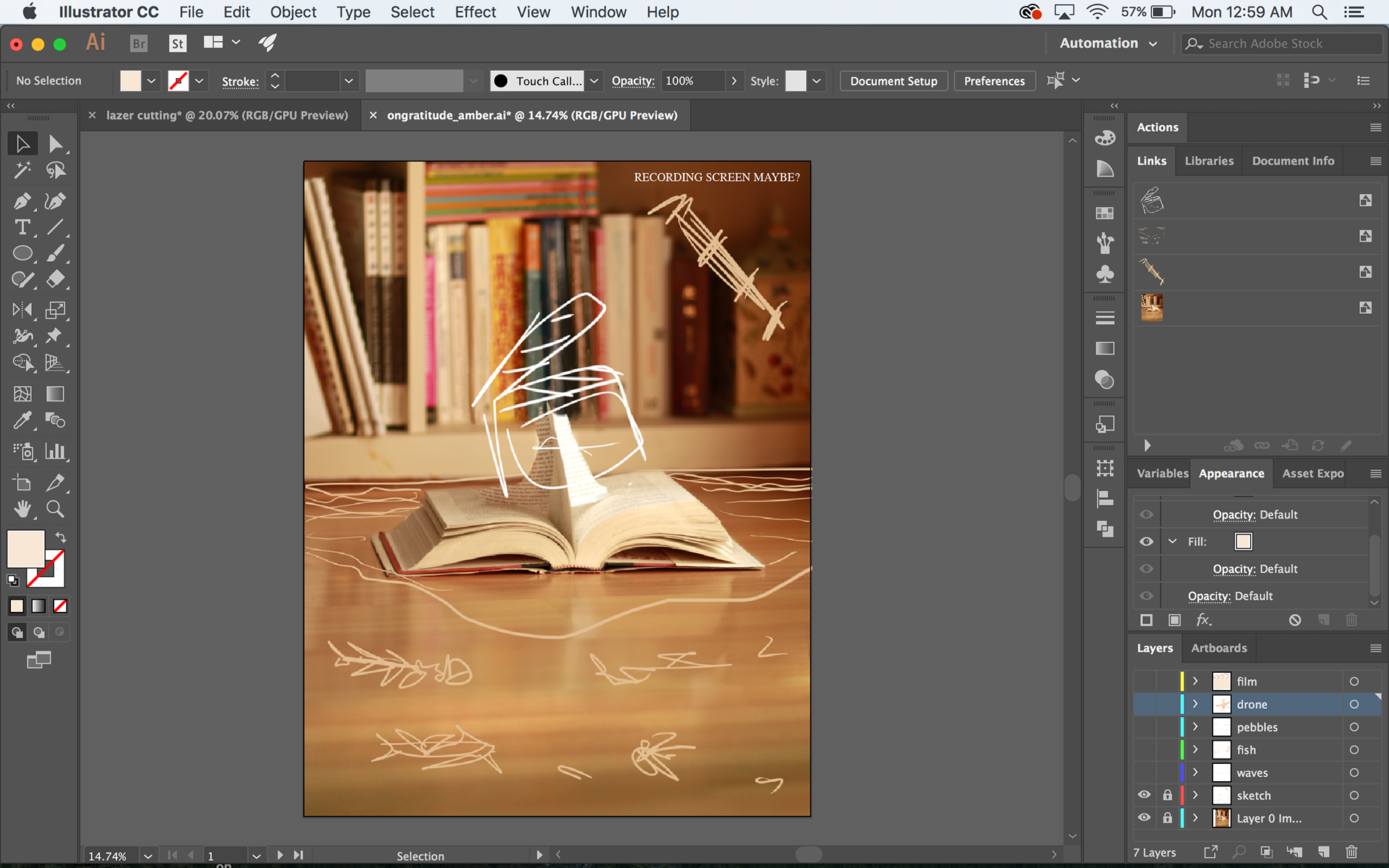
2. From the sketches, I created vector illustrations on Adobe Illustrator based off of the stock imagery and personal photos the interviewee sent me, and filled the final shapes with a specific color palette for all my illustrations.
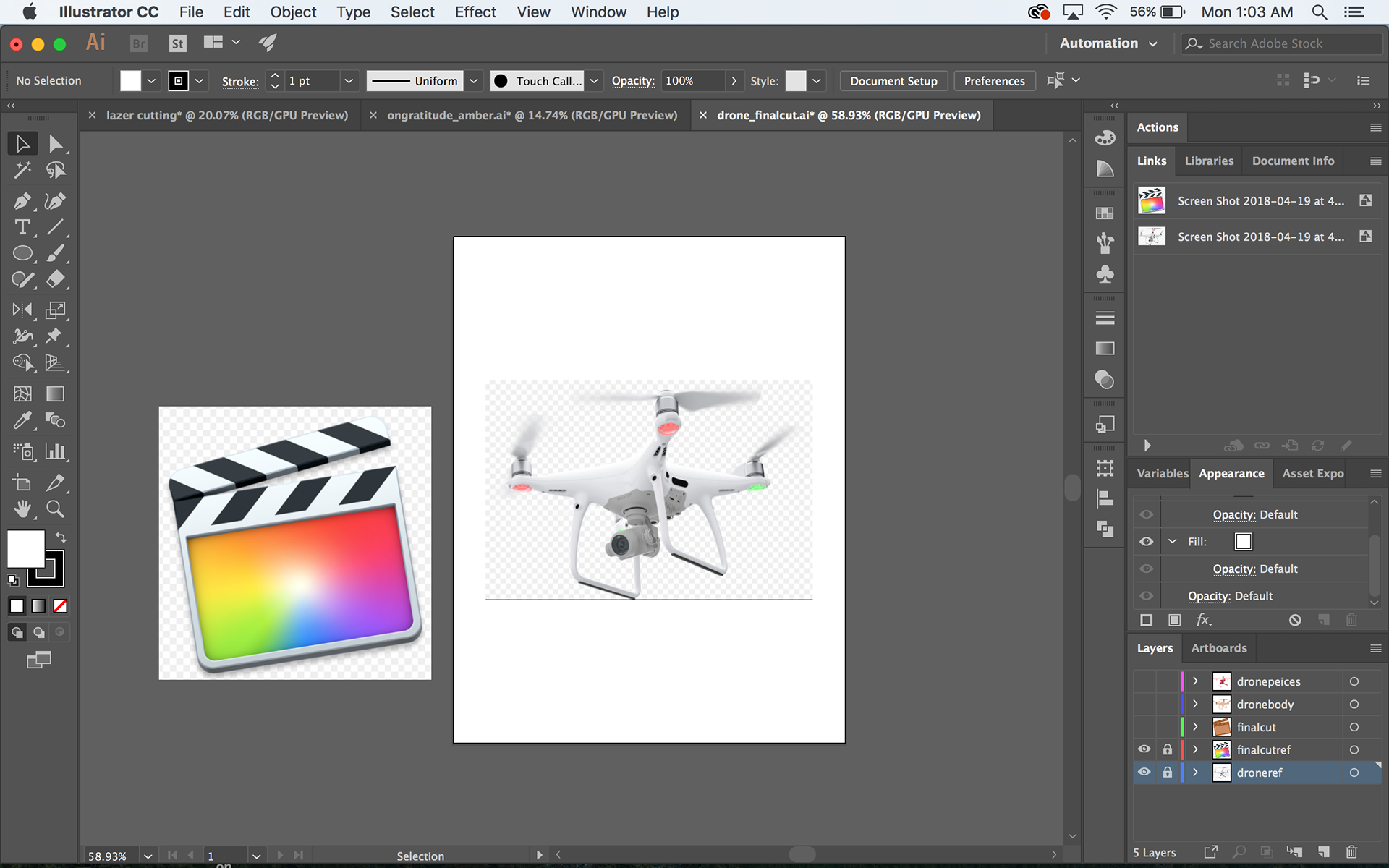
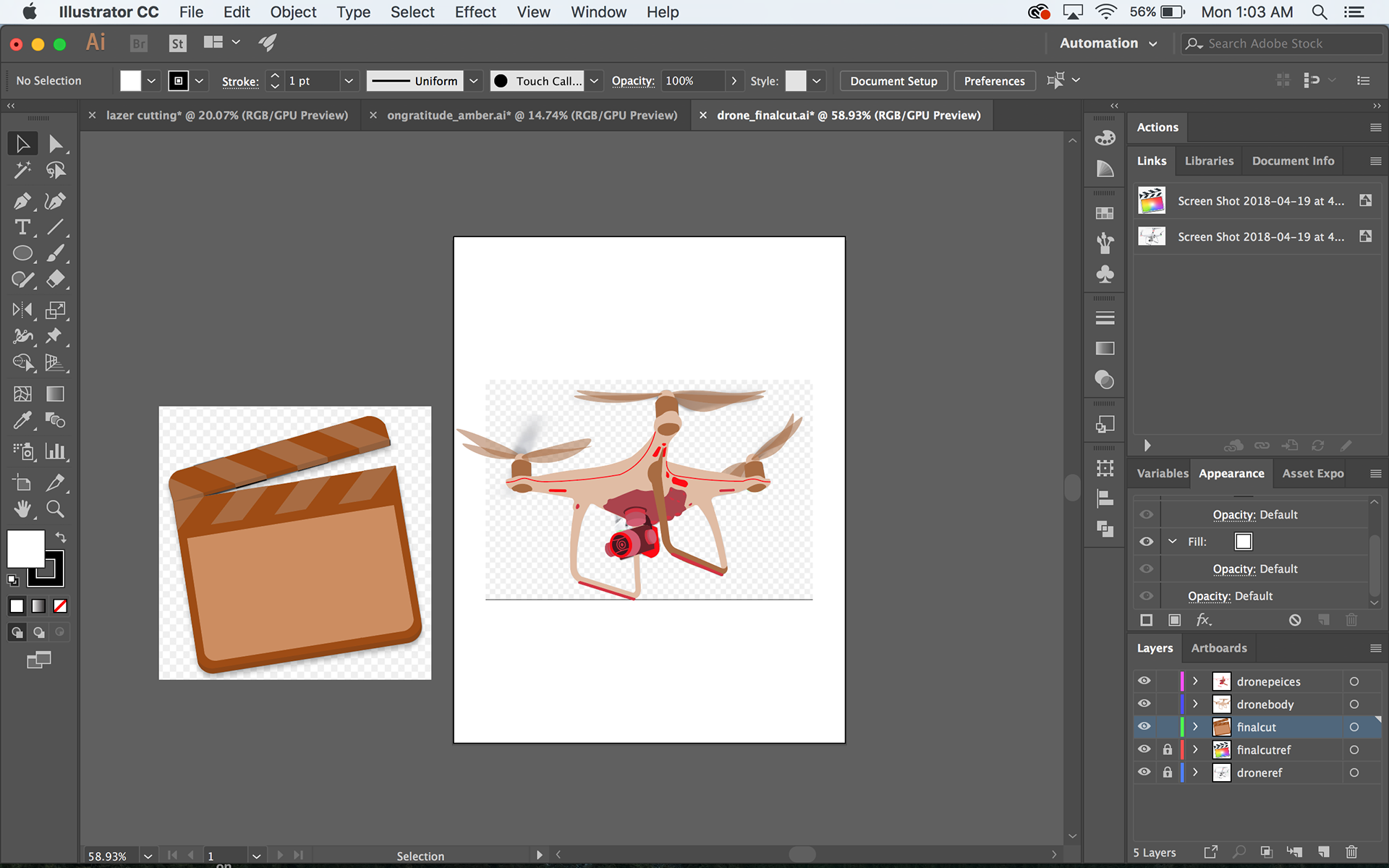

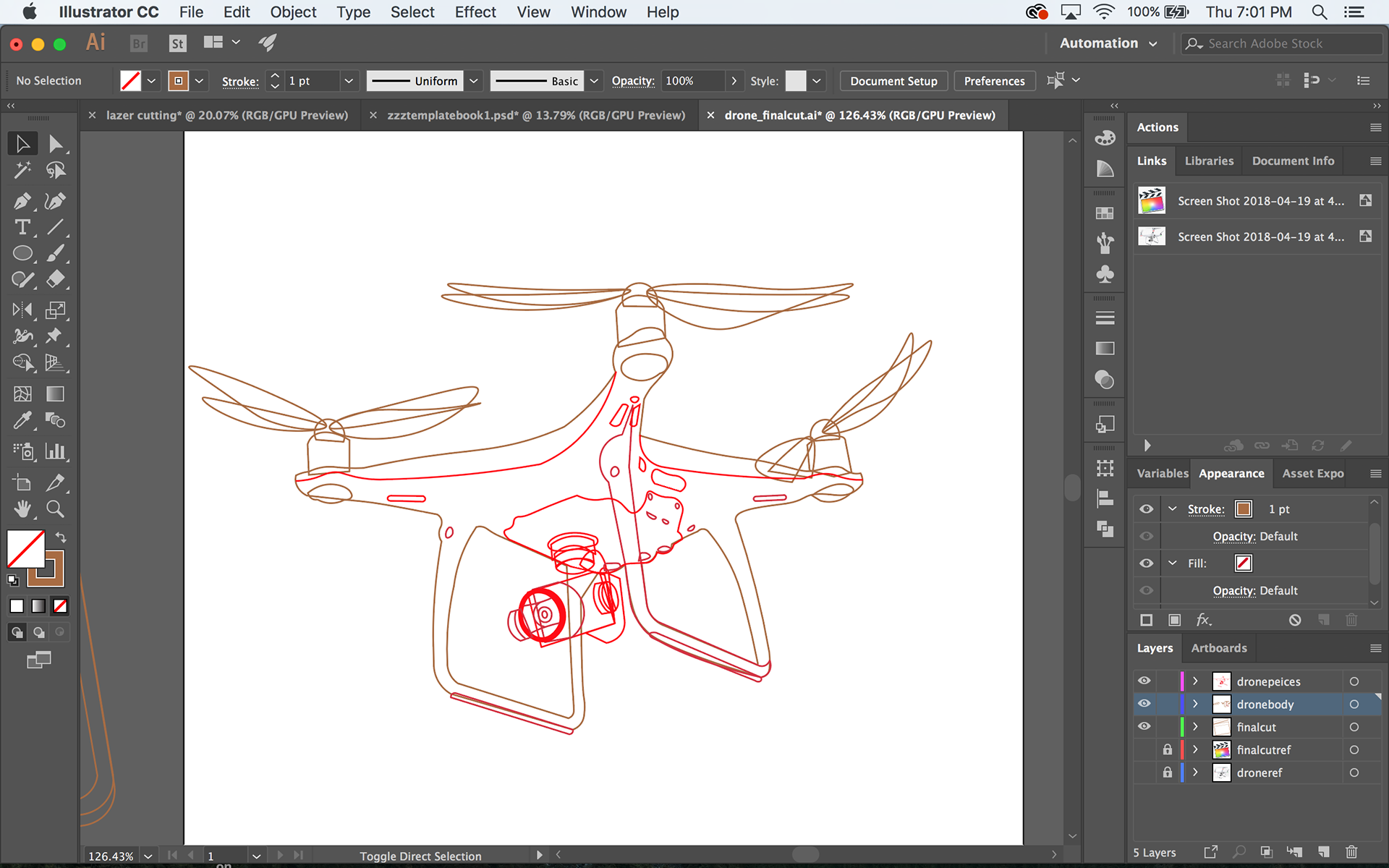
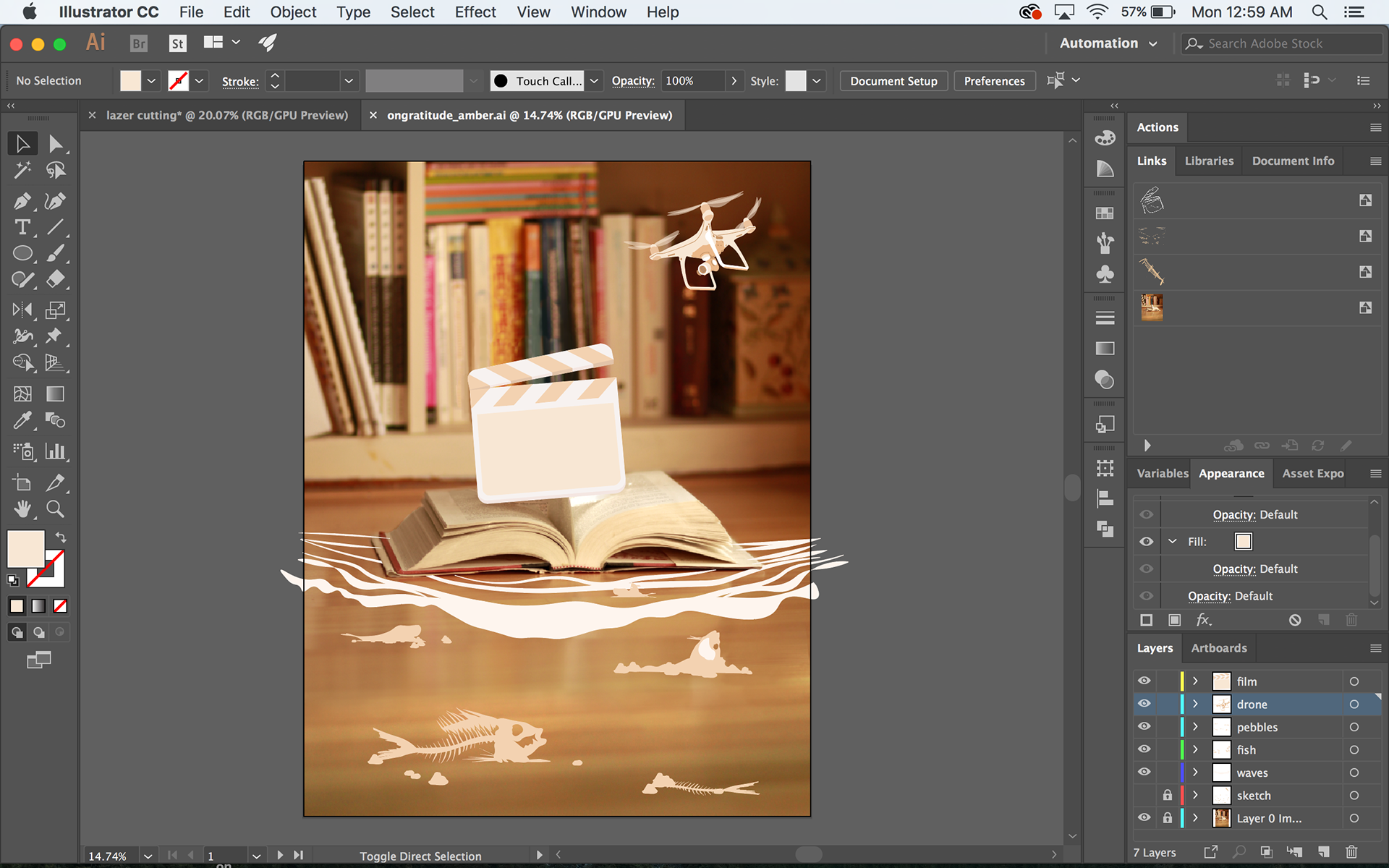
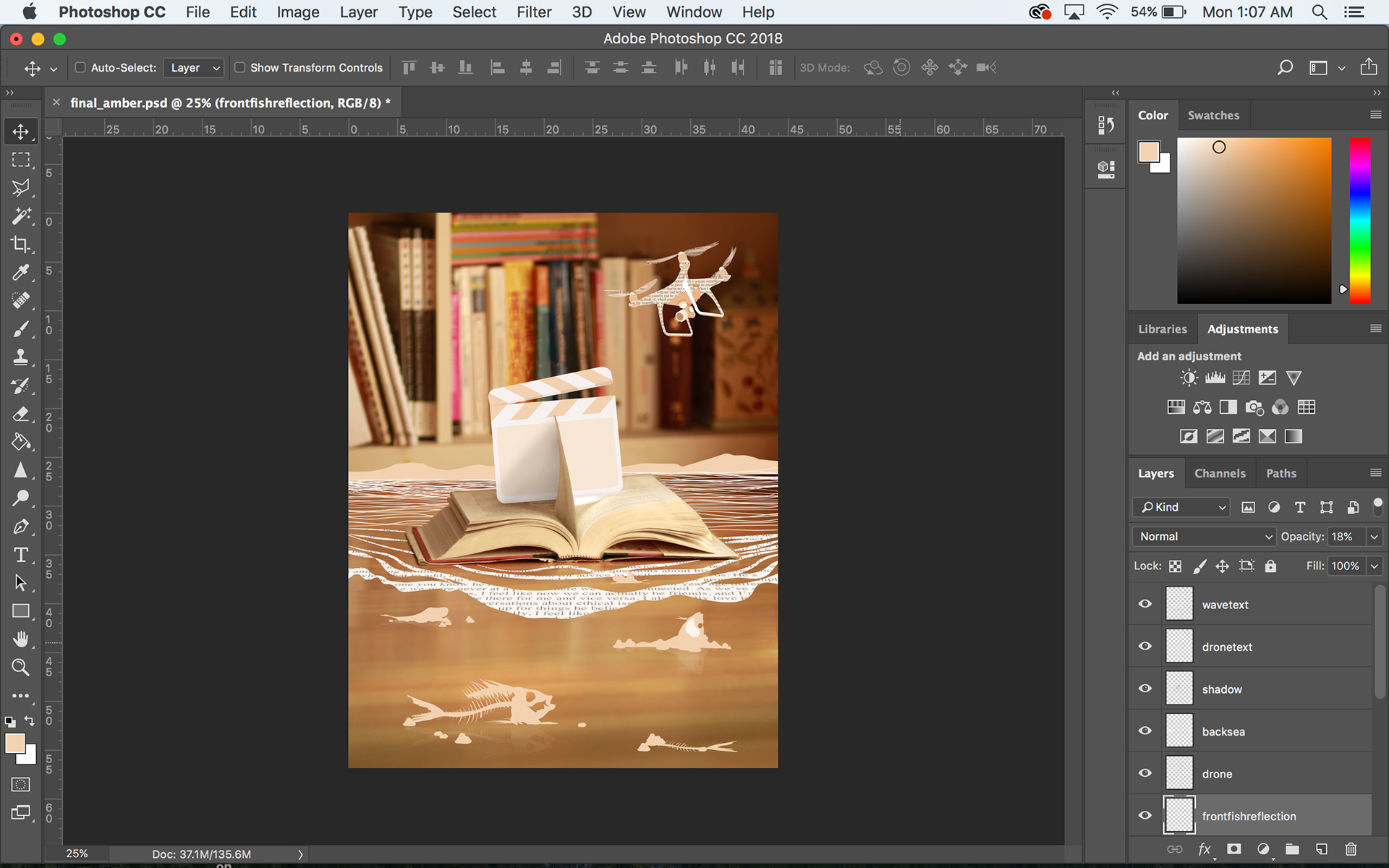
3. I then transferred the vector files into Photoshop, where I placed them loosely based off the sketched composition, added text from their story, highlights and shadows, reflections, and made additional tweaks.
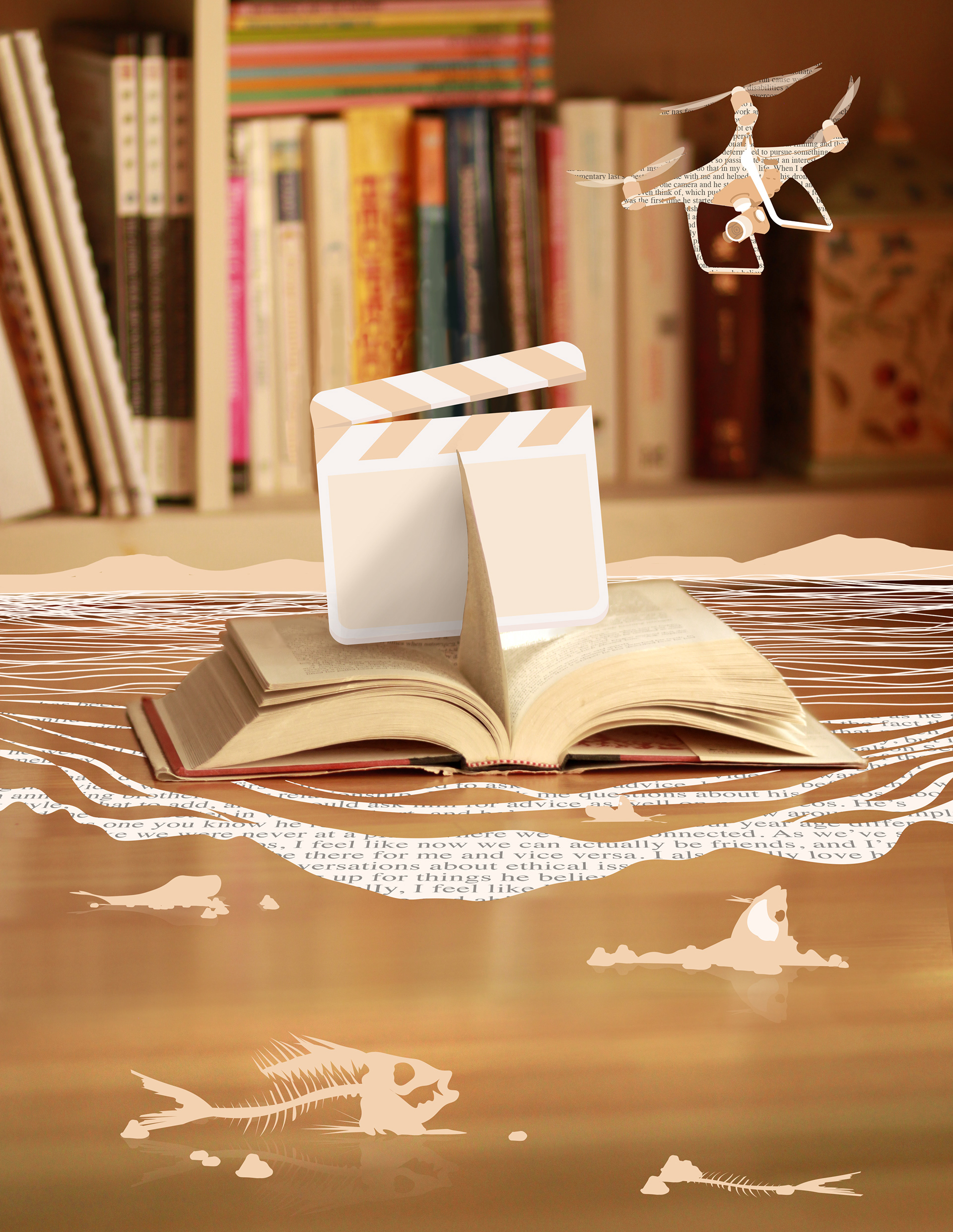
Final Illustrations:
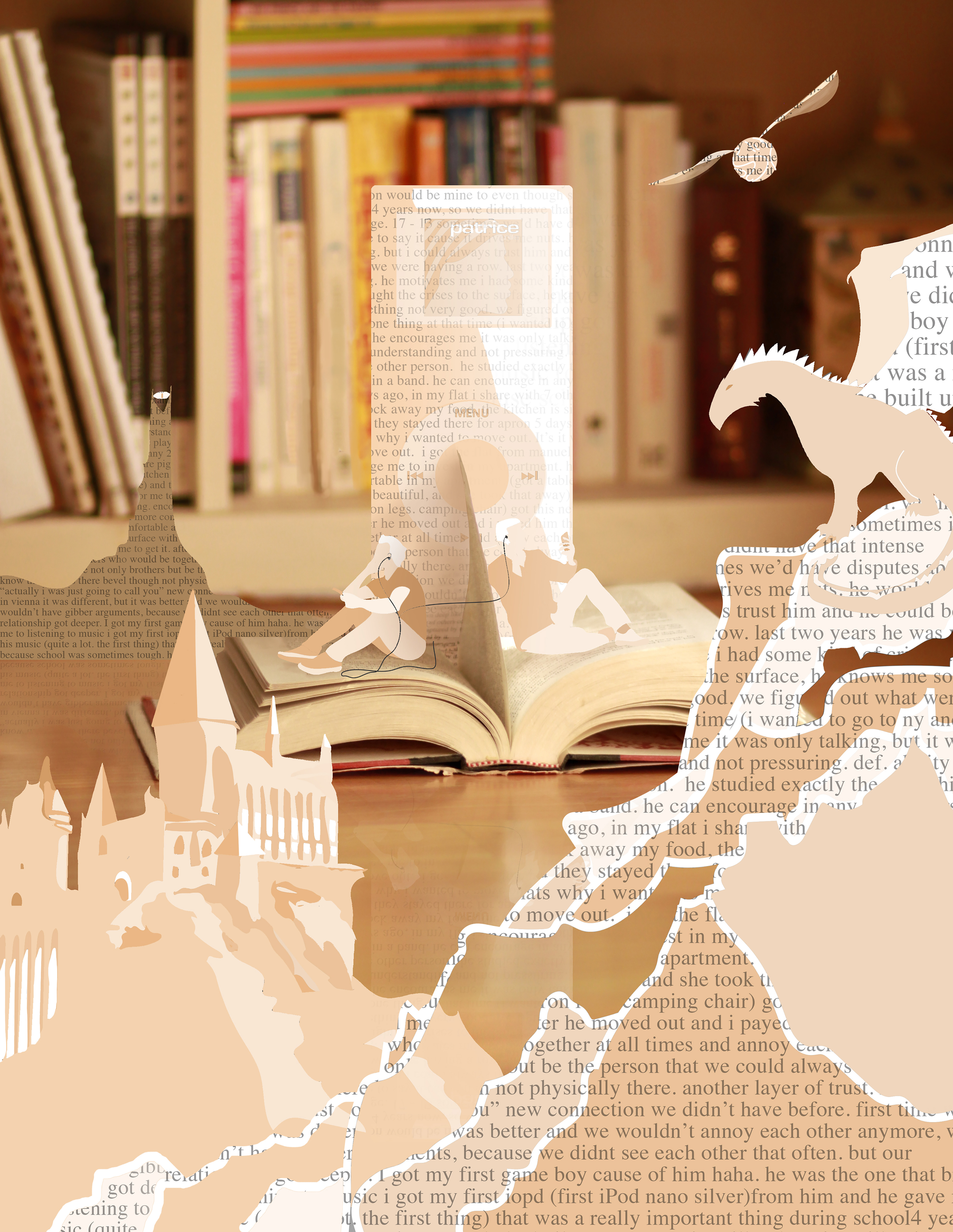
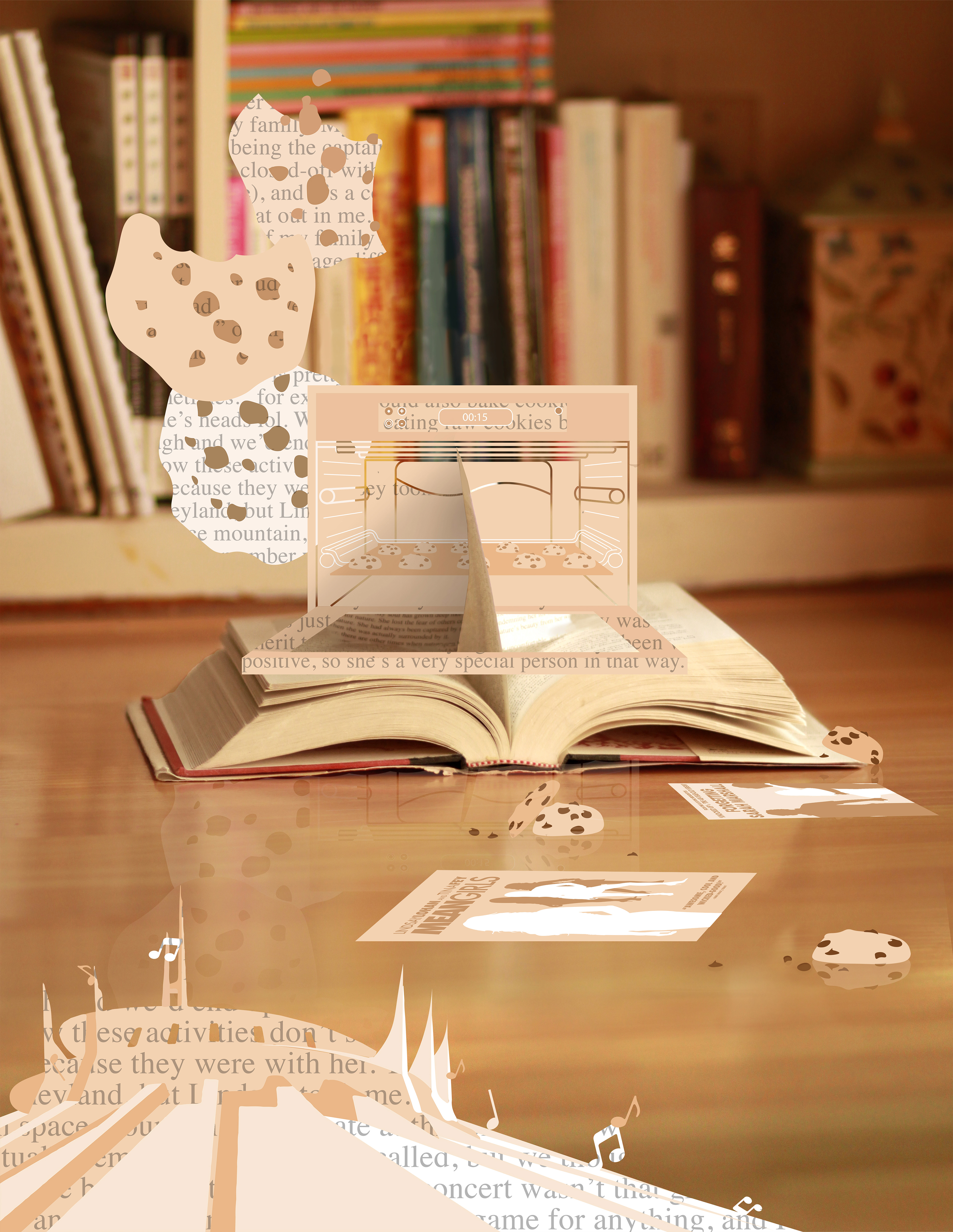
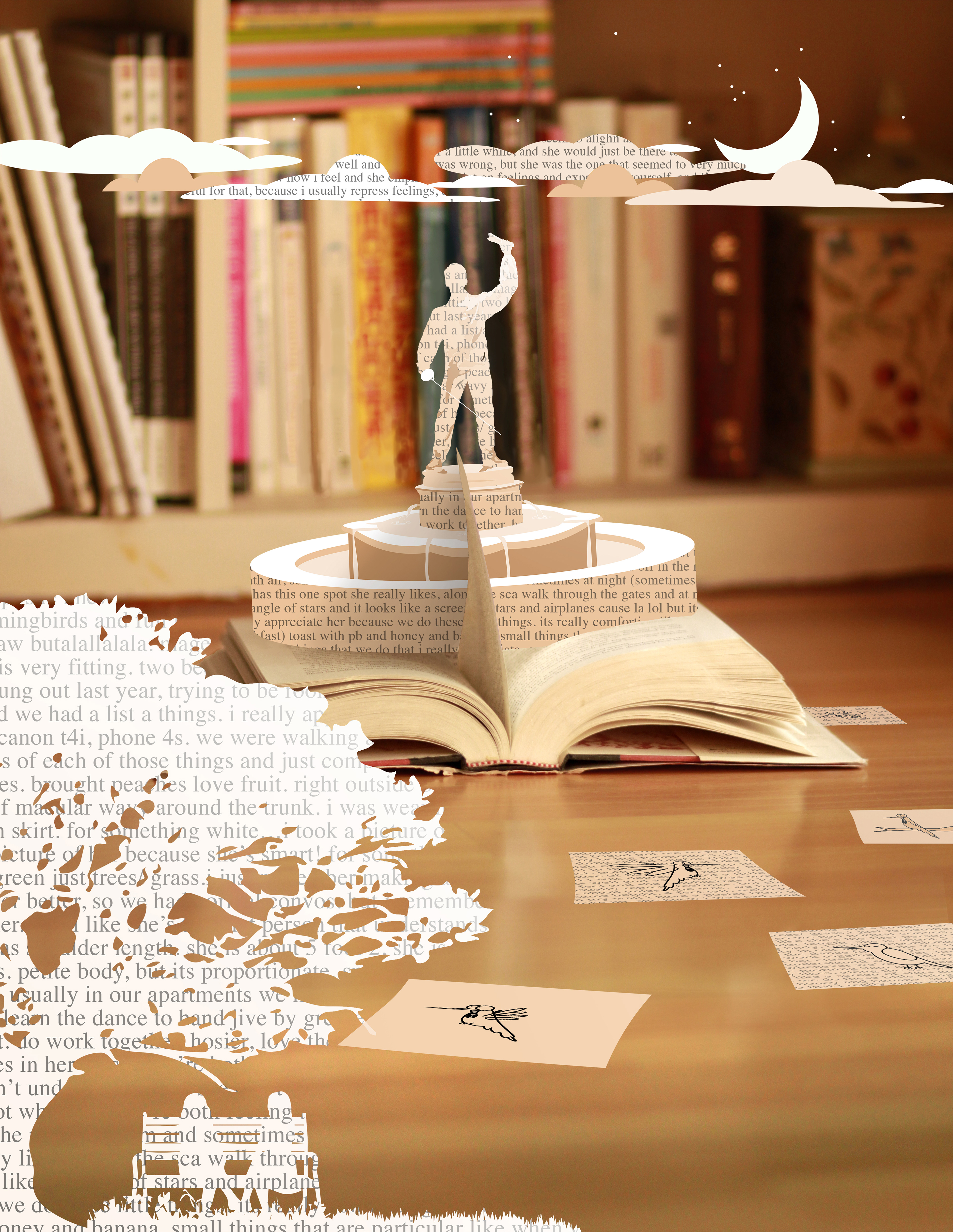
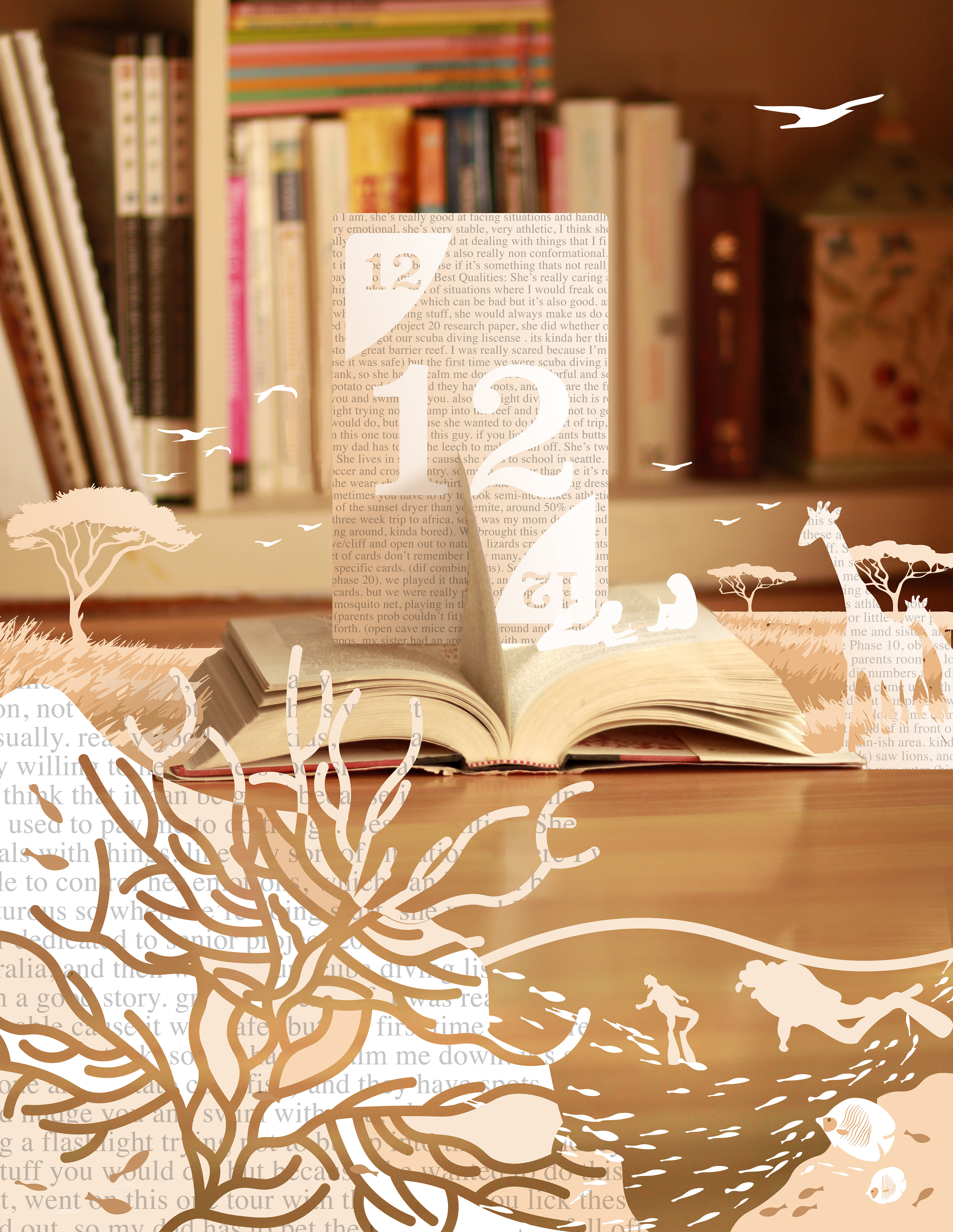
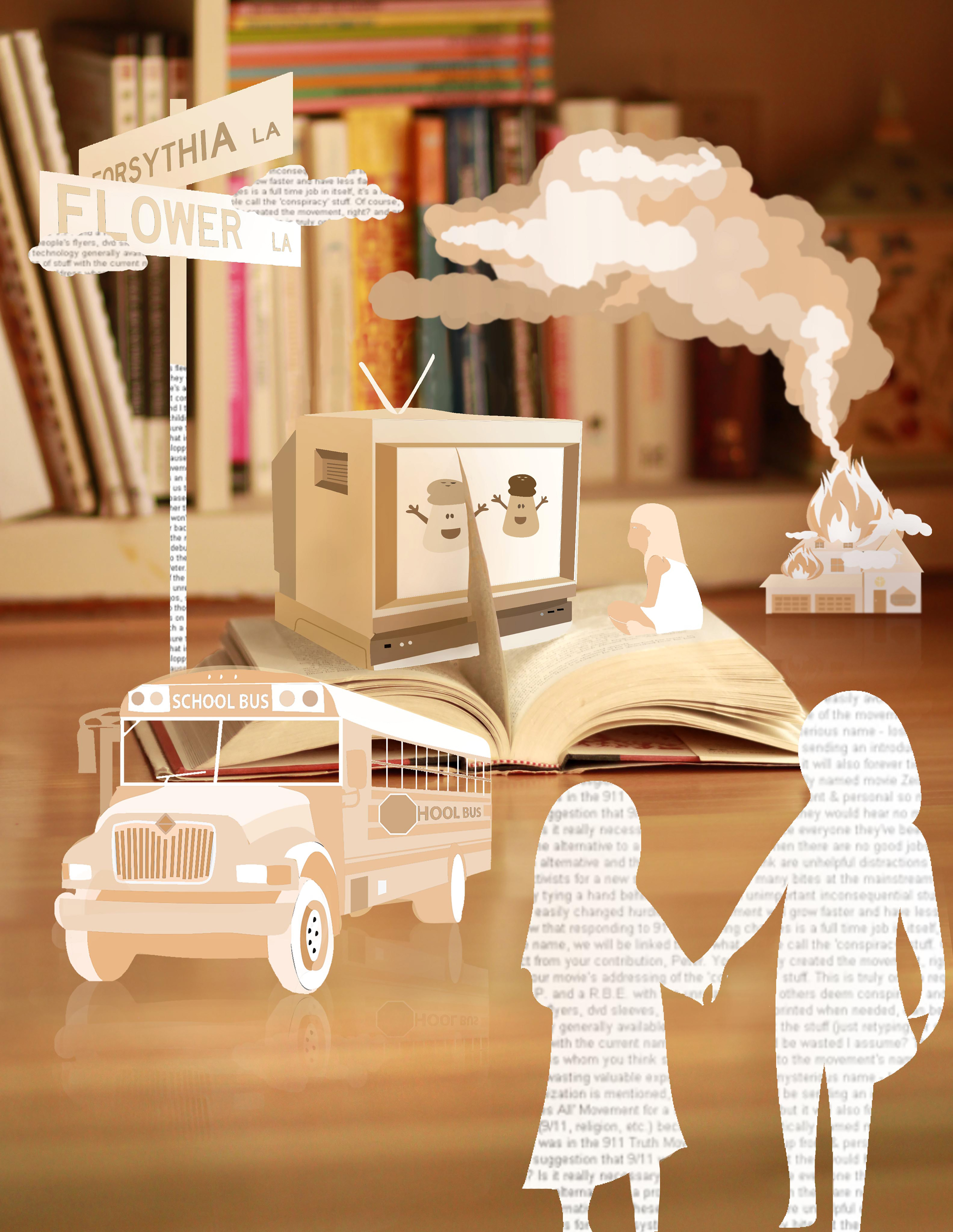
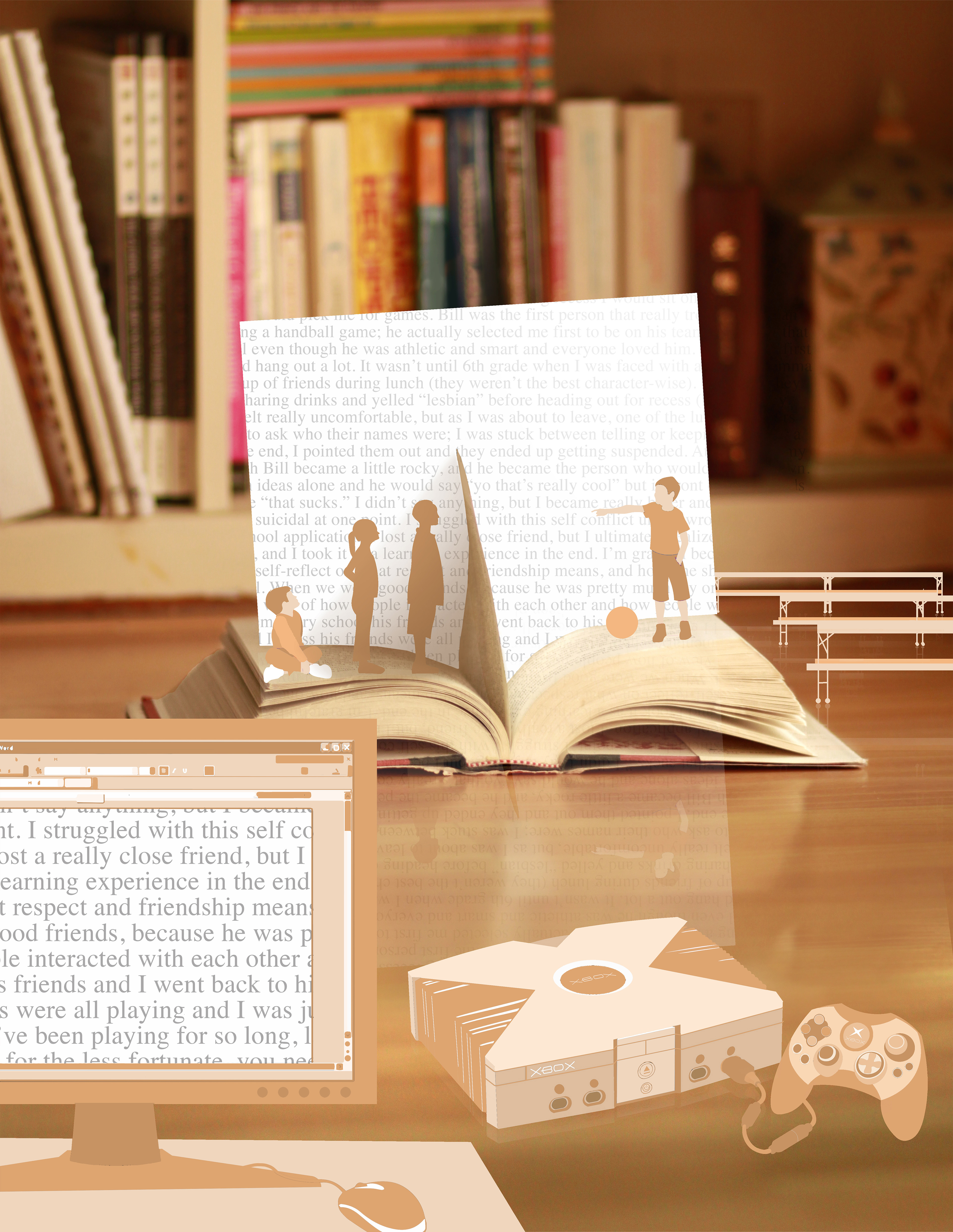
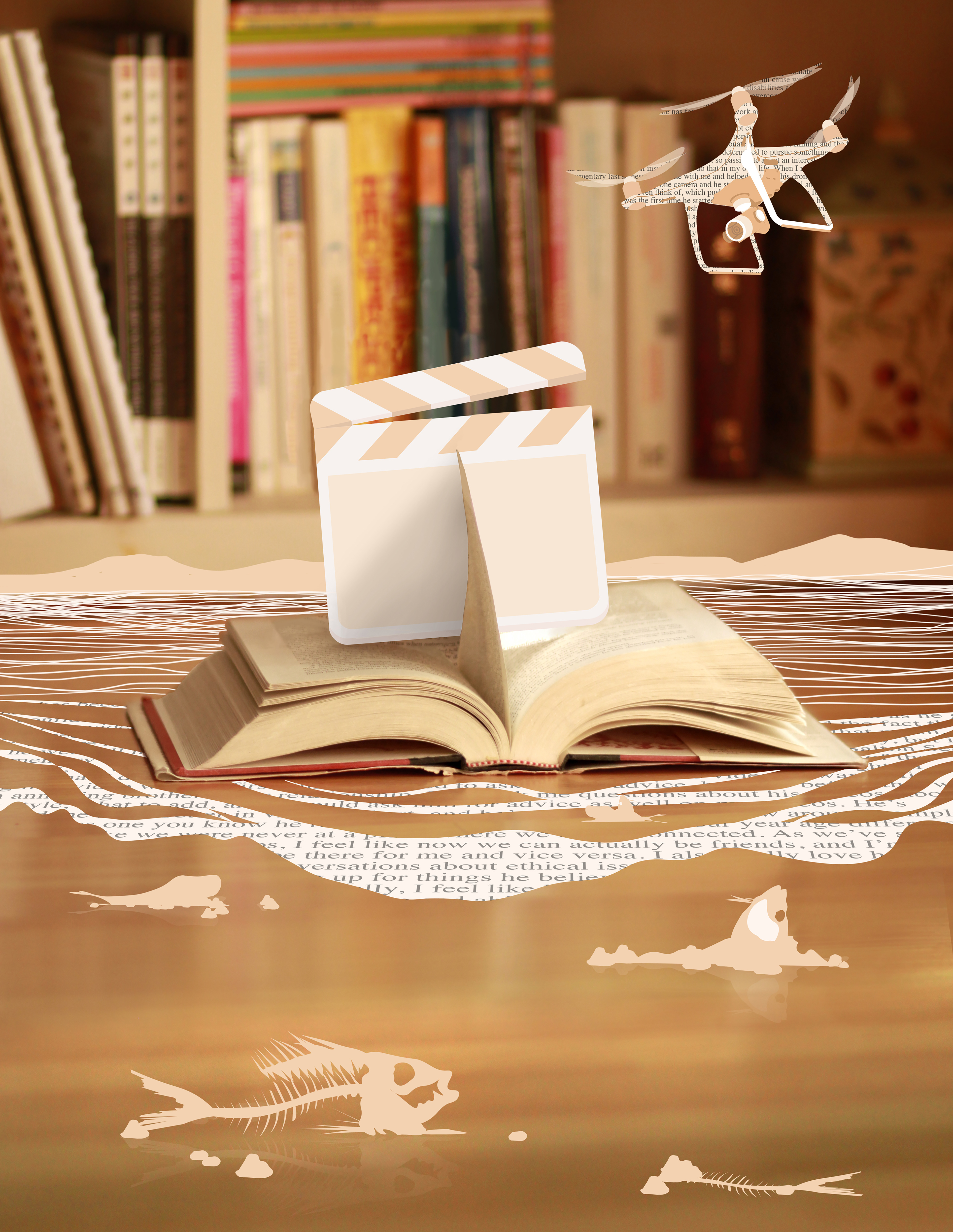
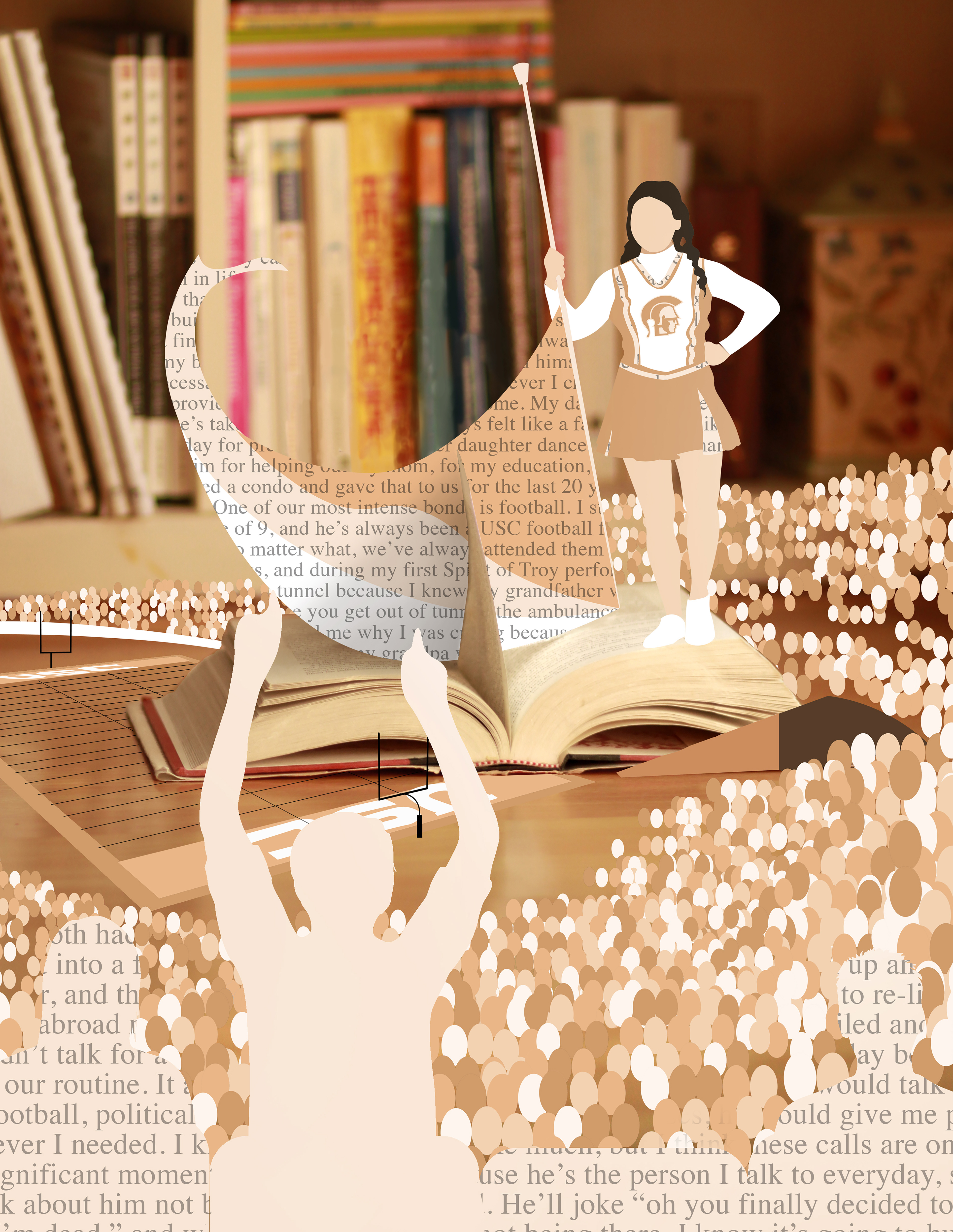
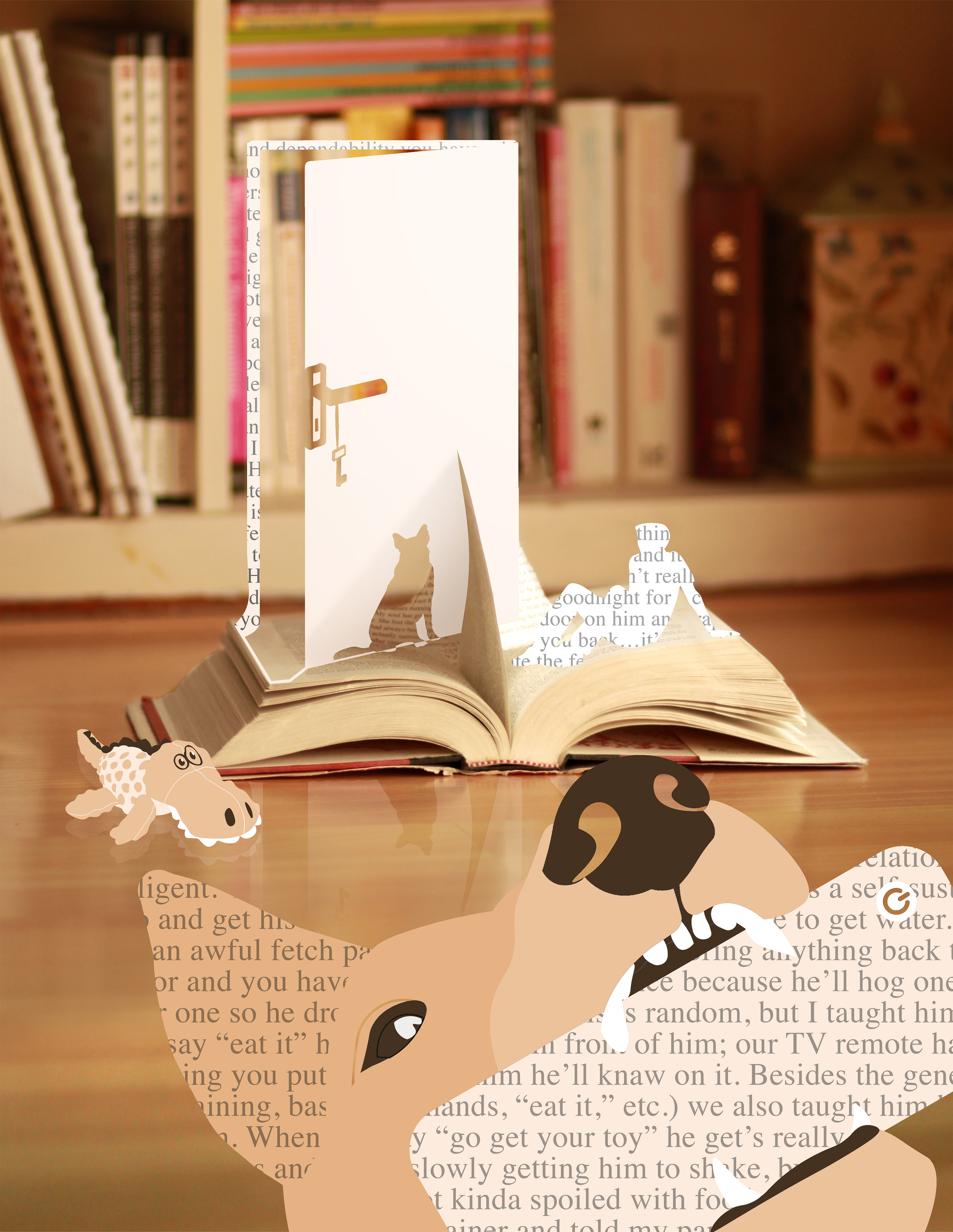
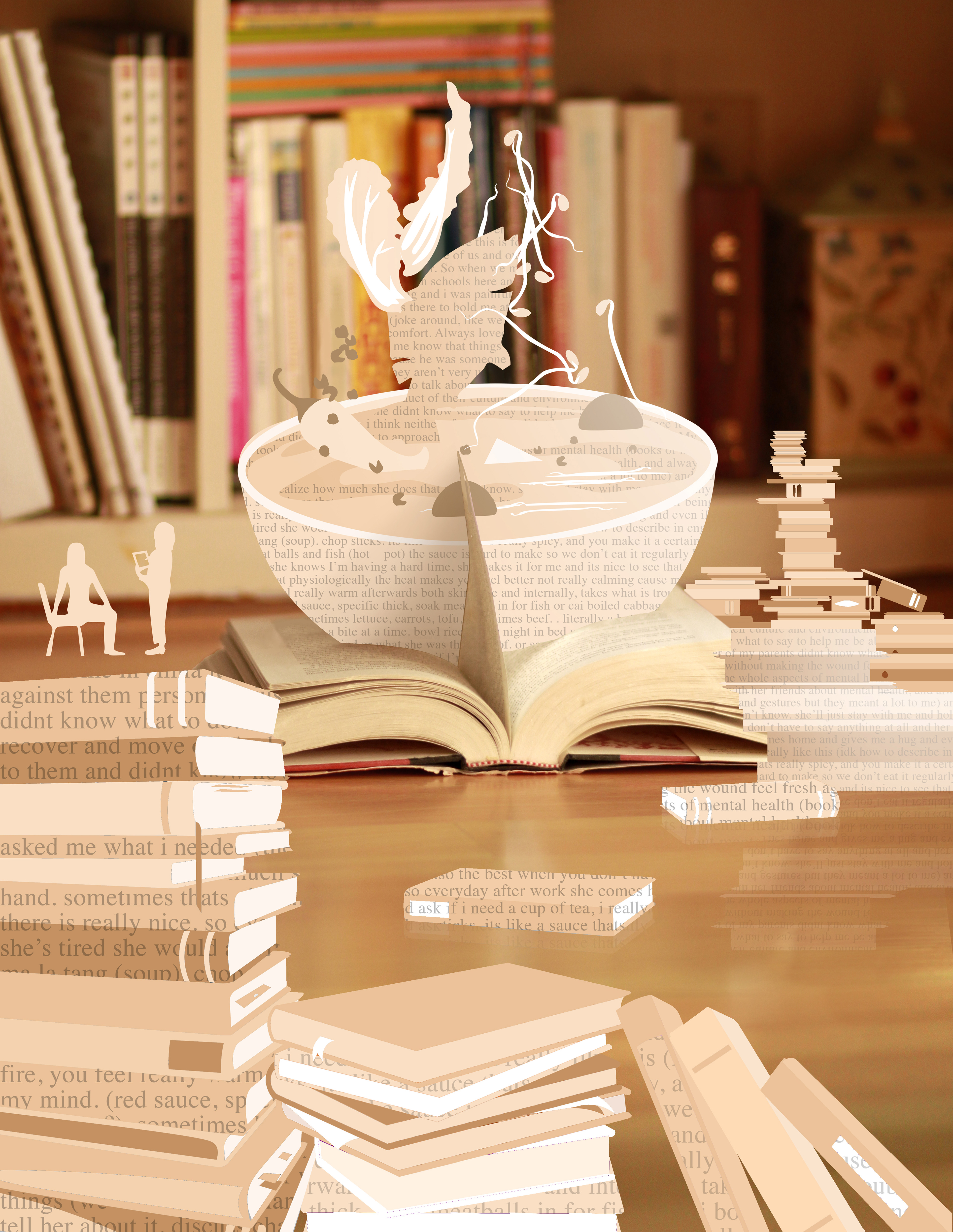
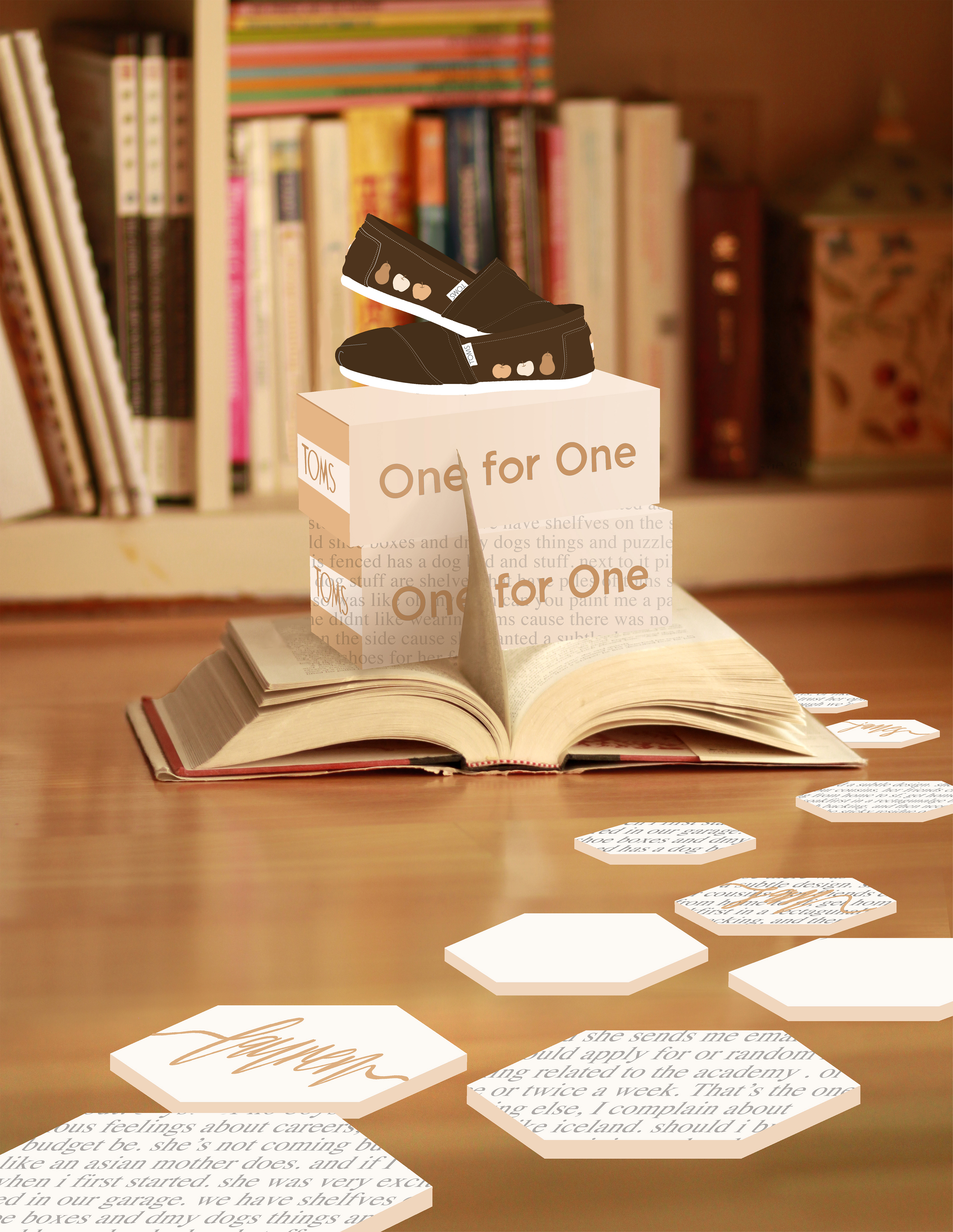
The Coding Process:
I took a coding class the fall semester, where we reviewed the basics of HTML, CSS, and the logic behind Javascript (IML 400 with Lee Tusman). This class is where I first coded the backbone of the website, where I used the BookBlock jQuery plugin, and tweaked it to fit my needs (enabled continuous scroll for longer text, included illustrations on the left side, played with different fonts, colors, and created a single column basic responsive mobile + tablet version). In the spring semester, I continued styling the website with feedback from my classmates, and finalized the website to be responsive on mobile and tablet. I also had help coding the Table of Contents, and included the Abstract, and Appendix.
I continued adding stories and illustrations throughout the semester as I finished each one.
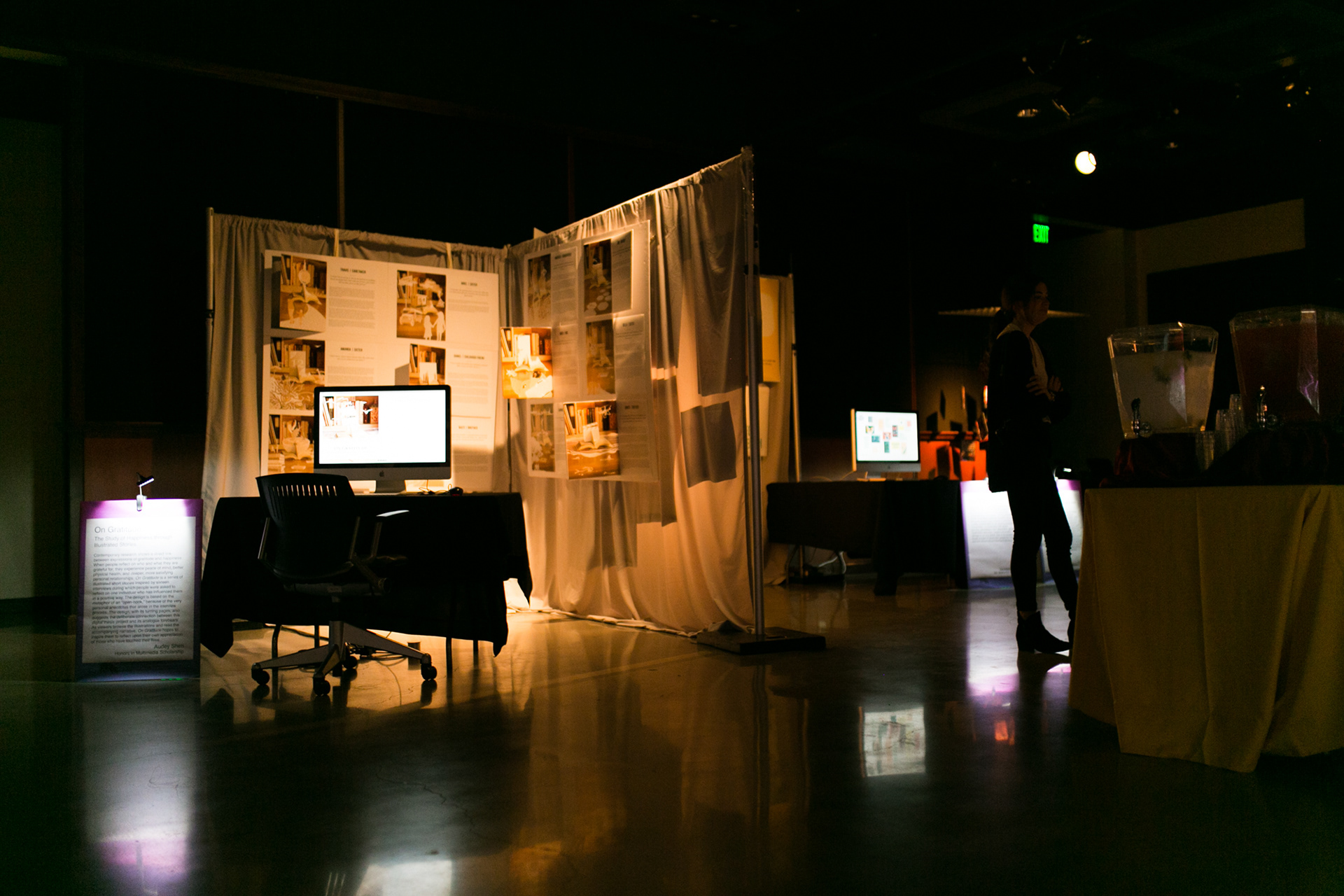
The Showcase Installation Process:
Materials used: gaffer tape, foam board, fishing wire, rubber cement, exacto knife.
Process shots taken from Instagram story:
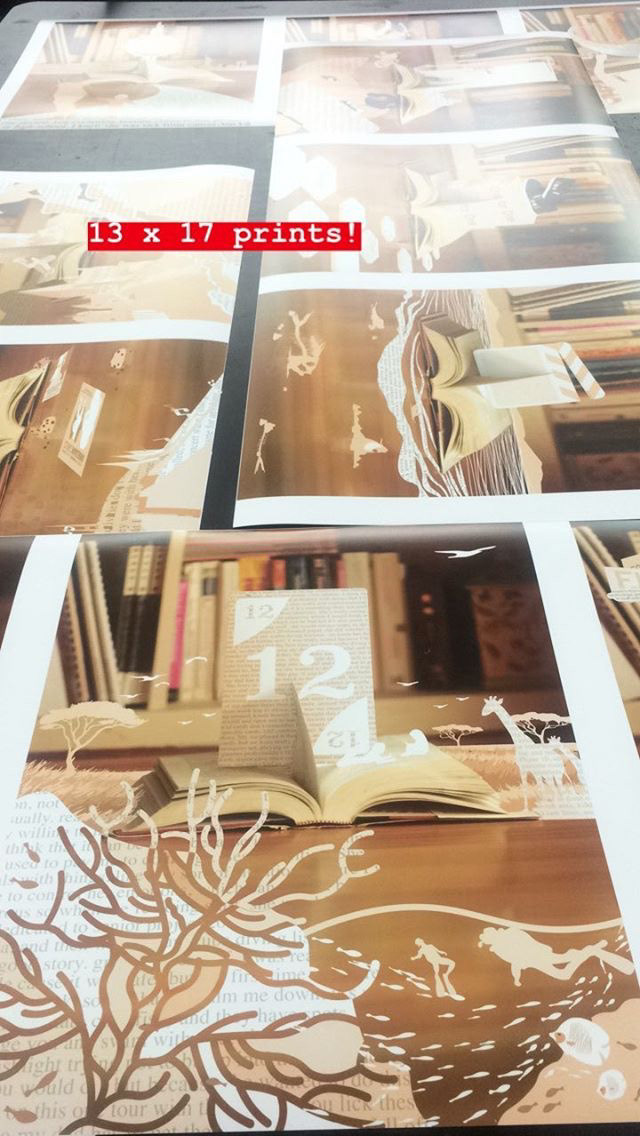
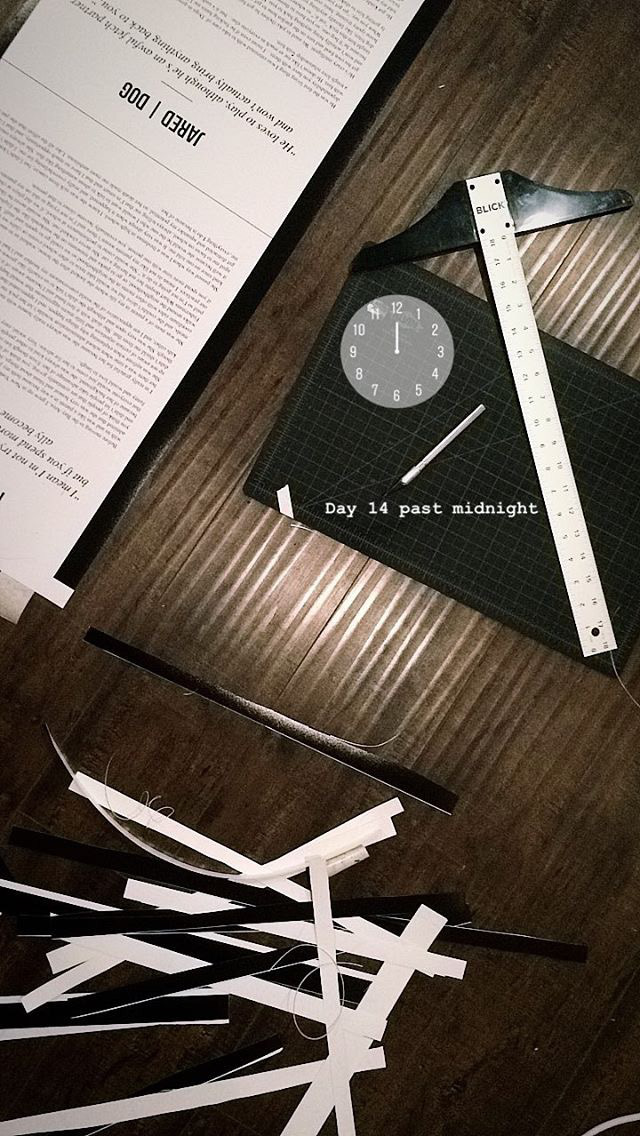
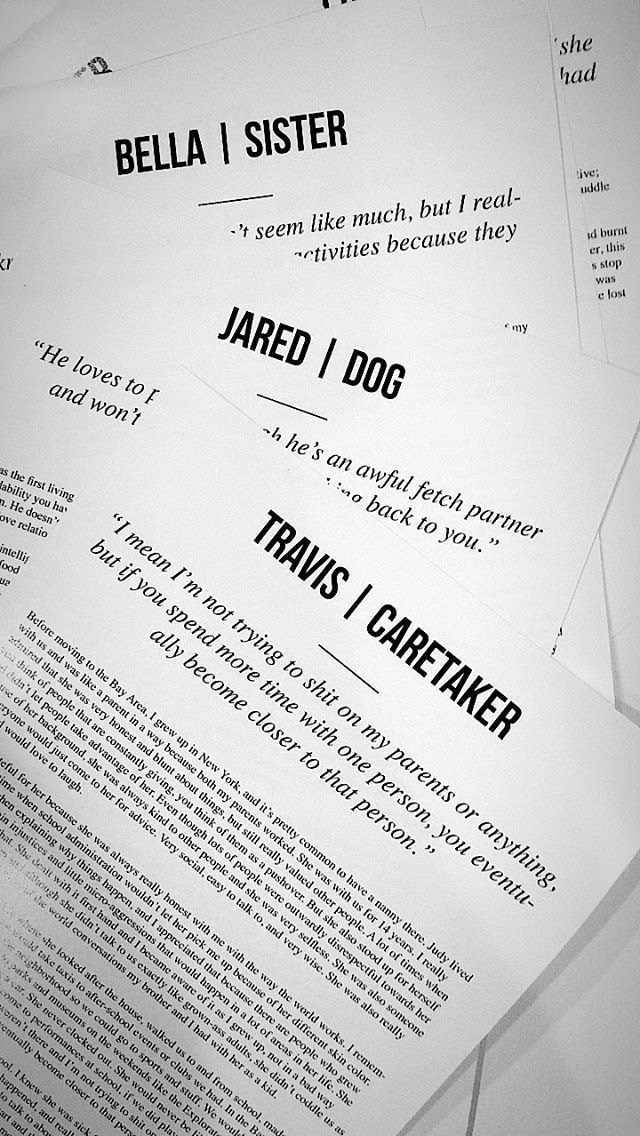
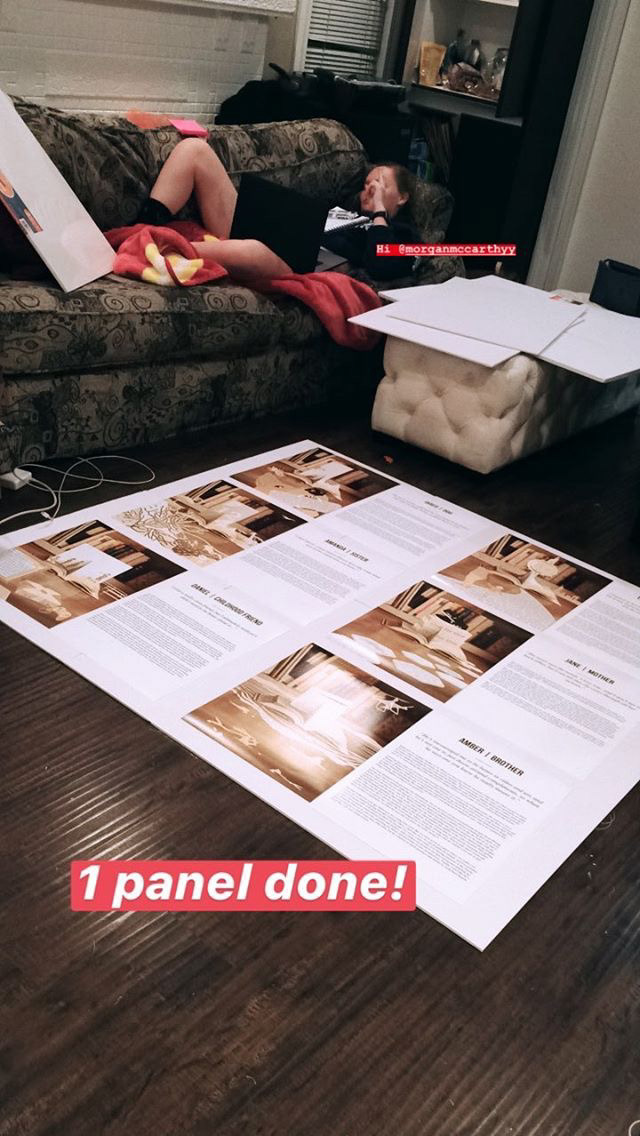
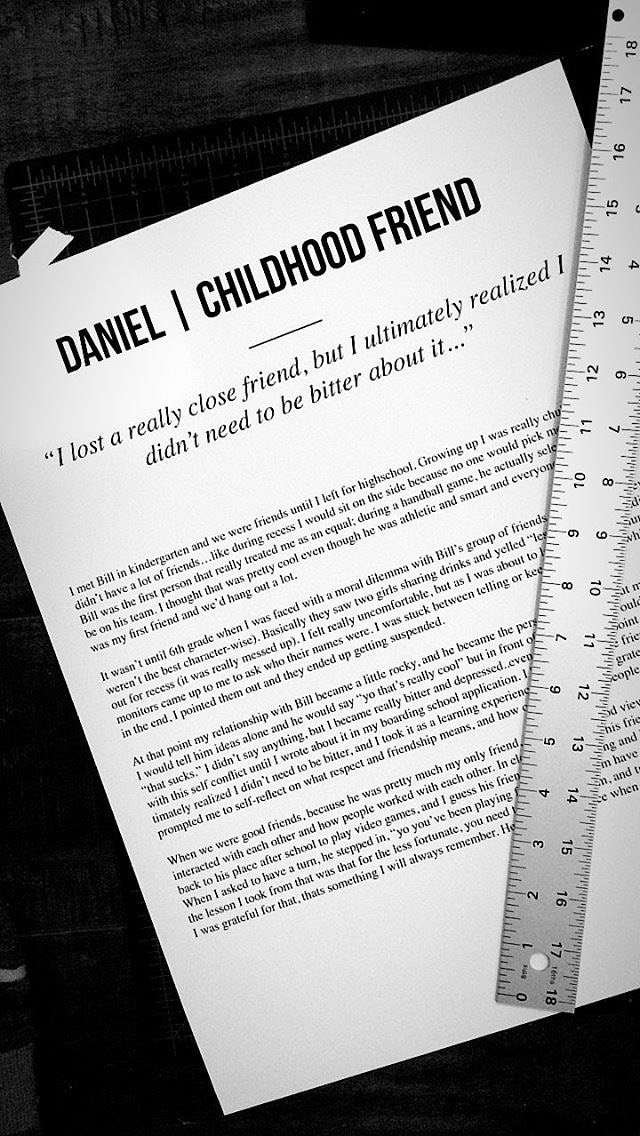
After finishing the two 6 ft x 5 ft foam boards, I fastened them to the 8 ft metal railings by threading fishing wire through the corners of the foam boards, and tied it to the ends of the metal poles. I used gaffer tape for extra security to make it last throughout the week.
The Showcase:
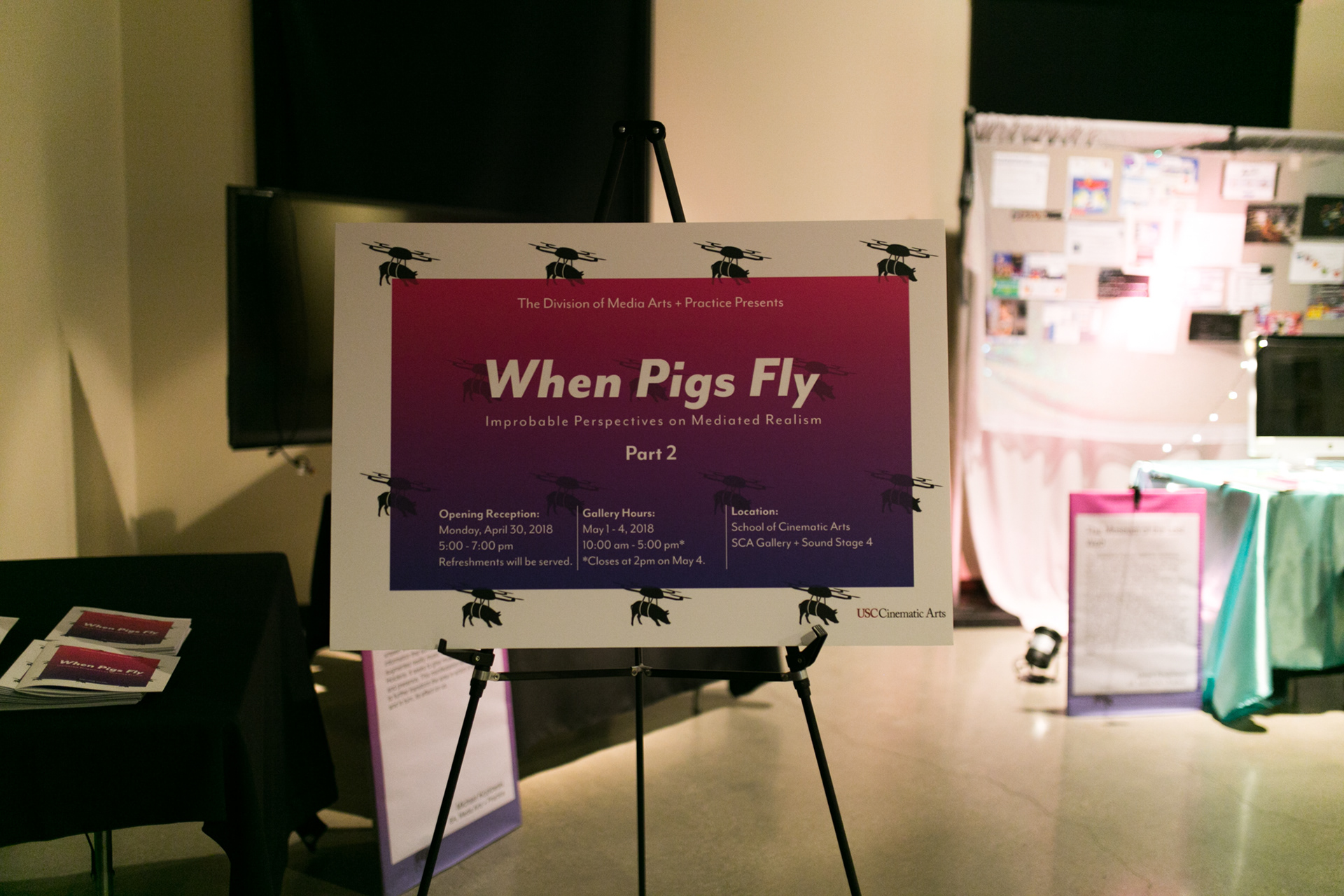
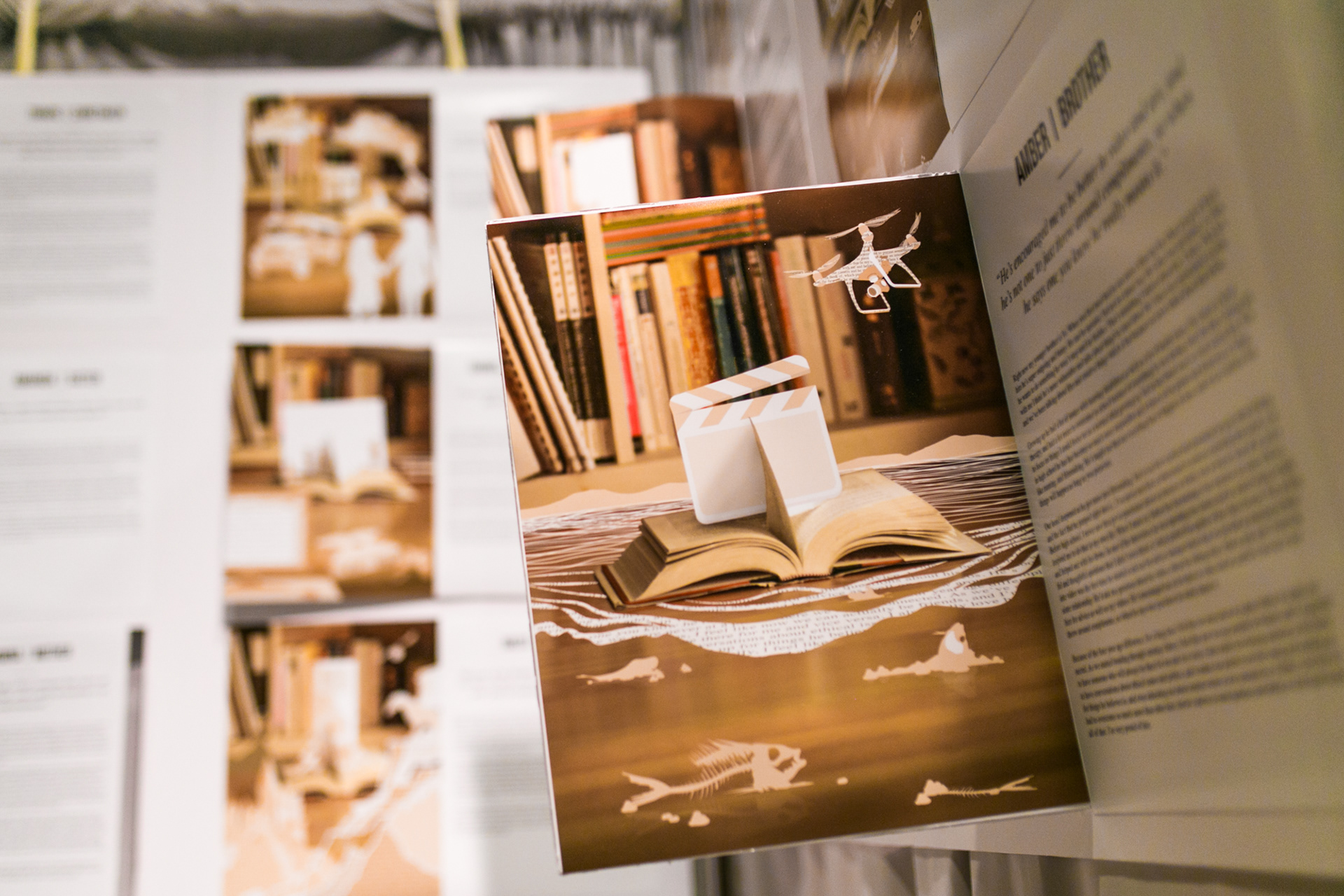
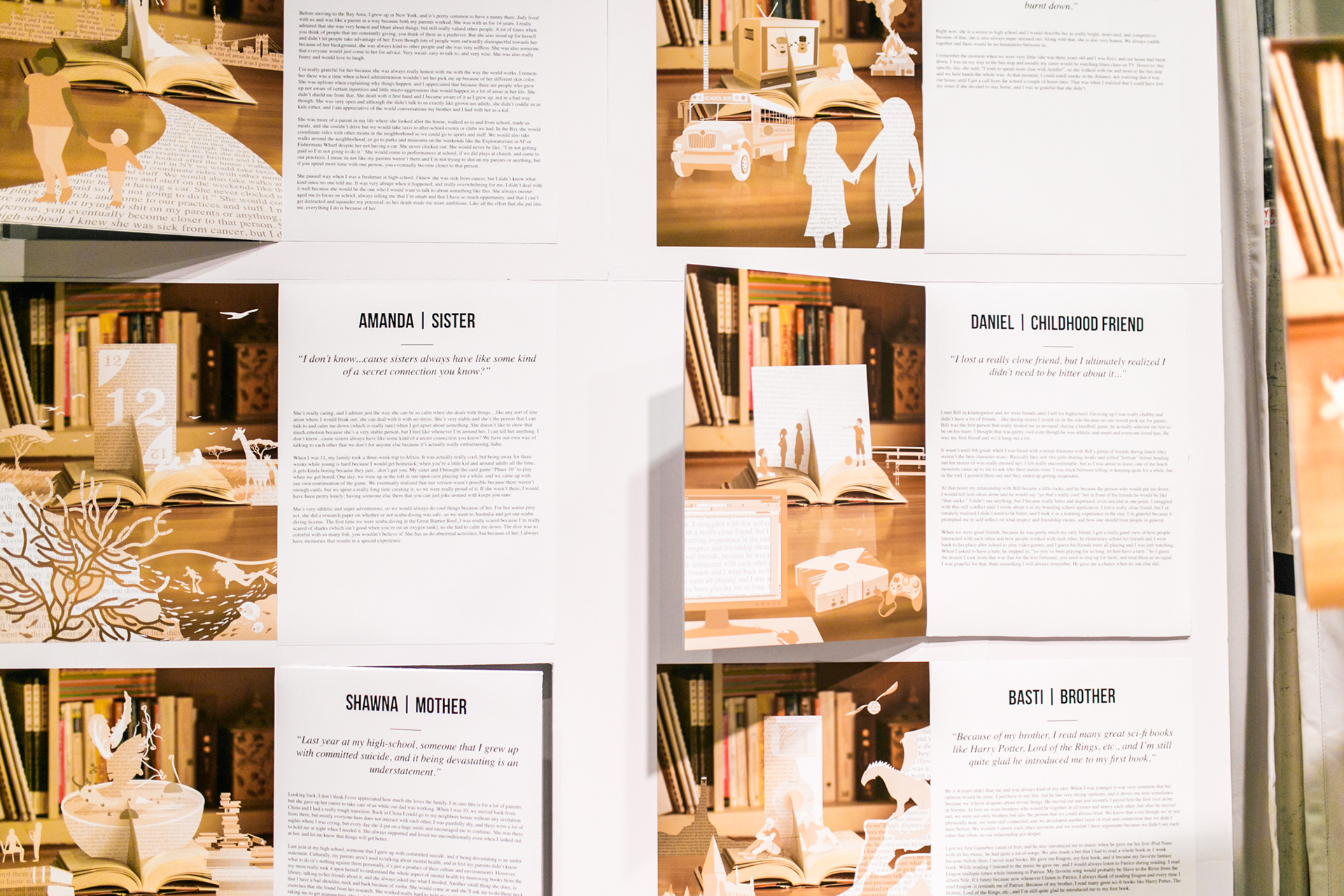
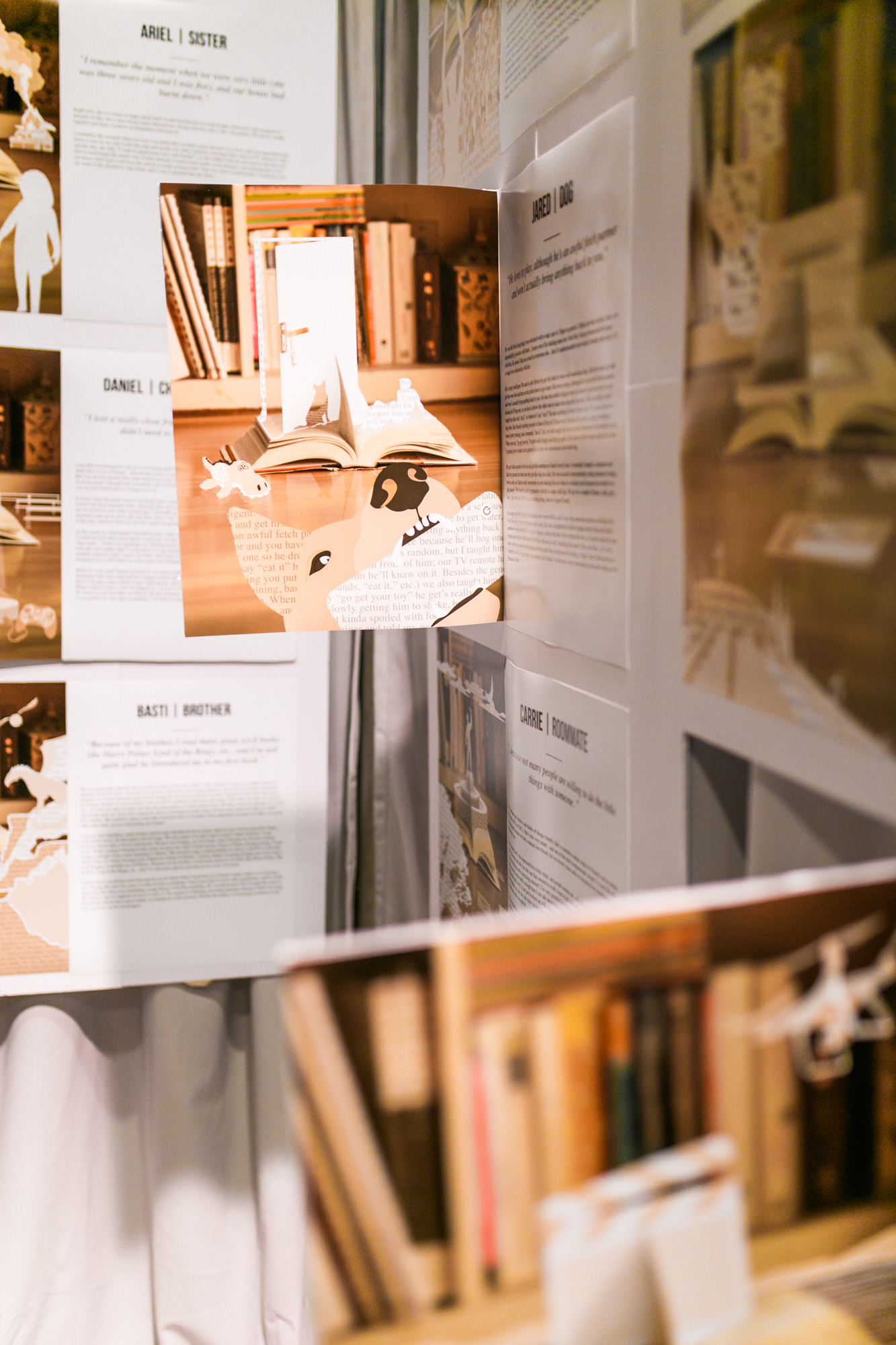
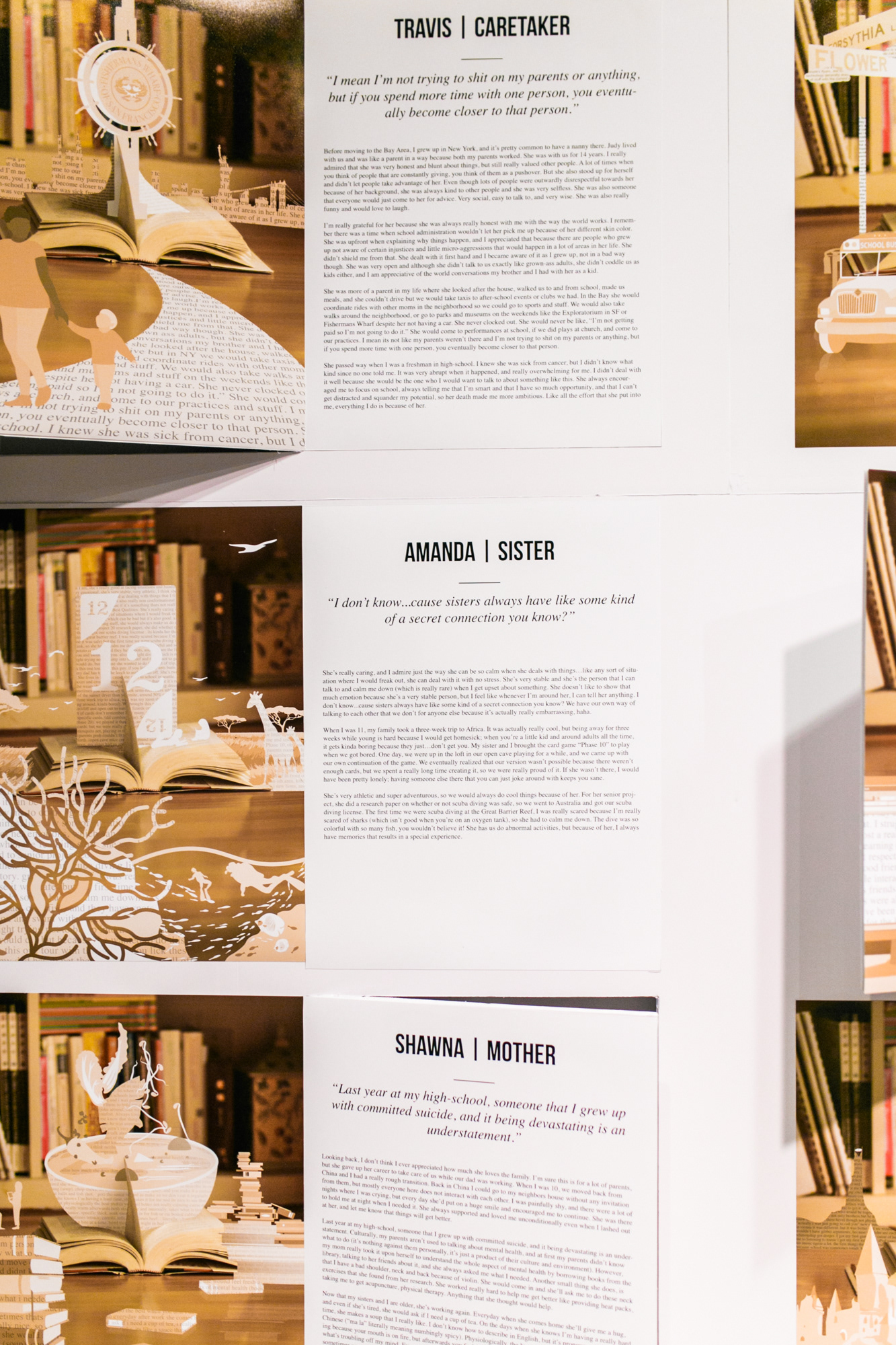
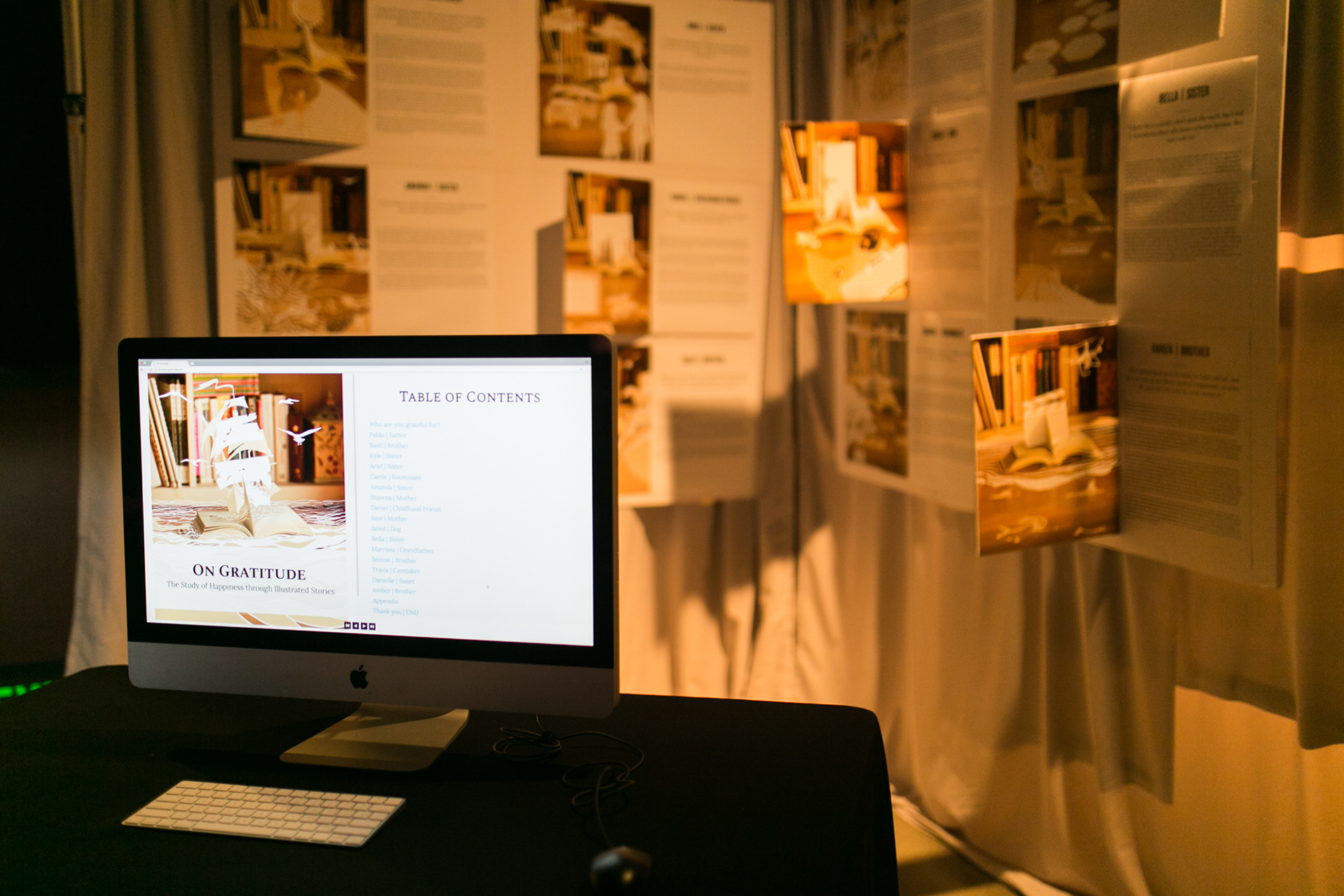
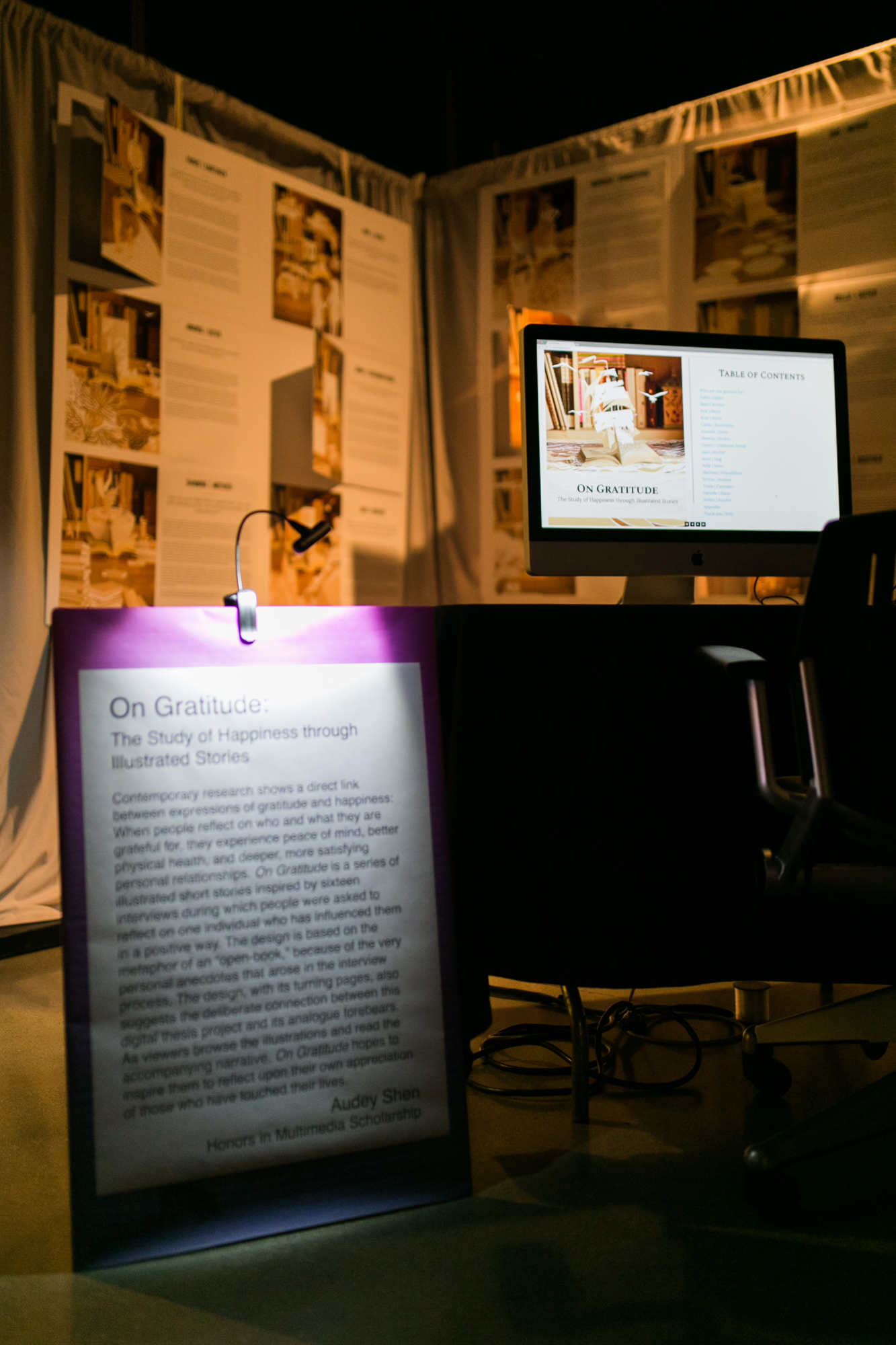
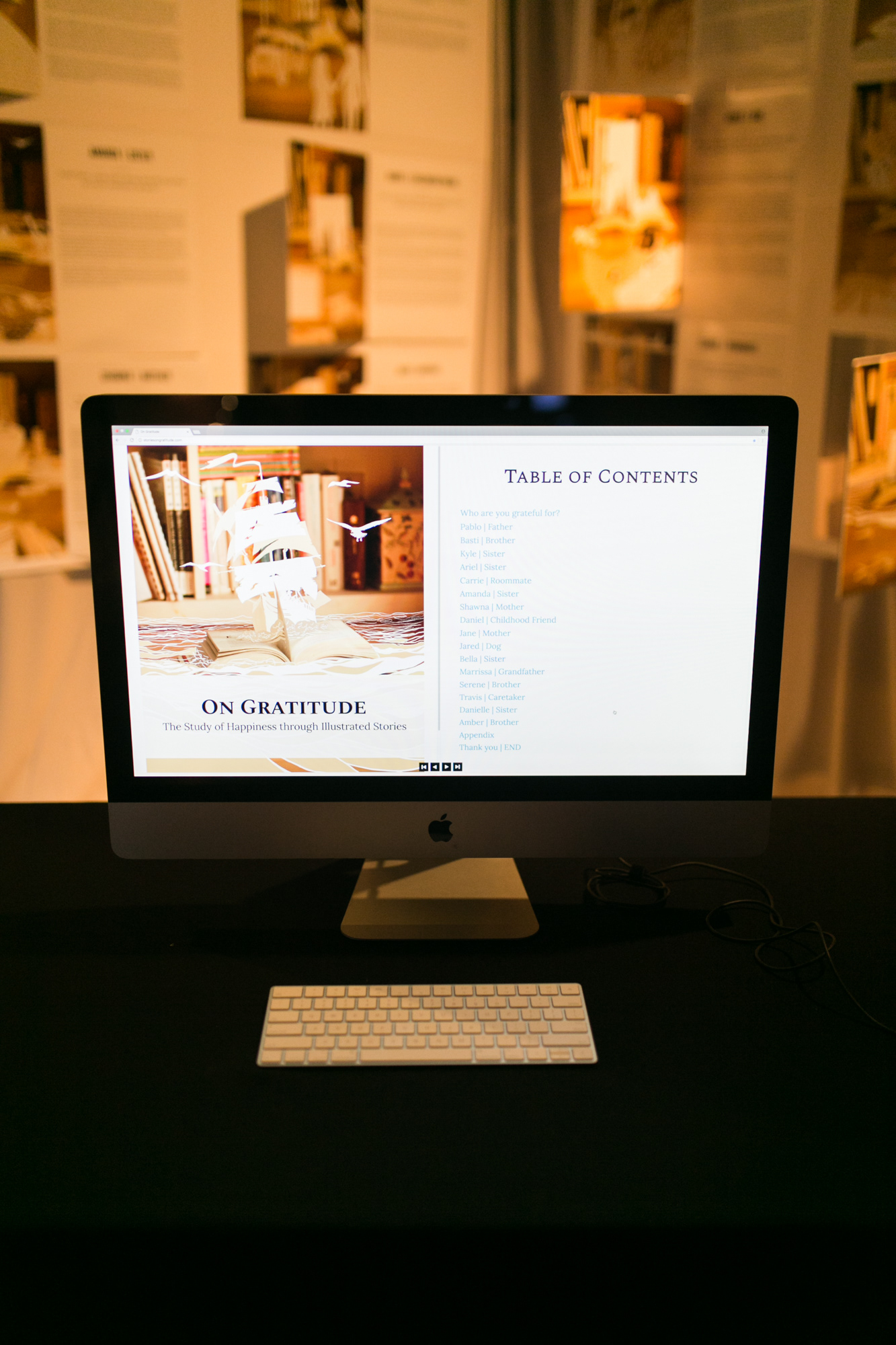
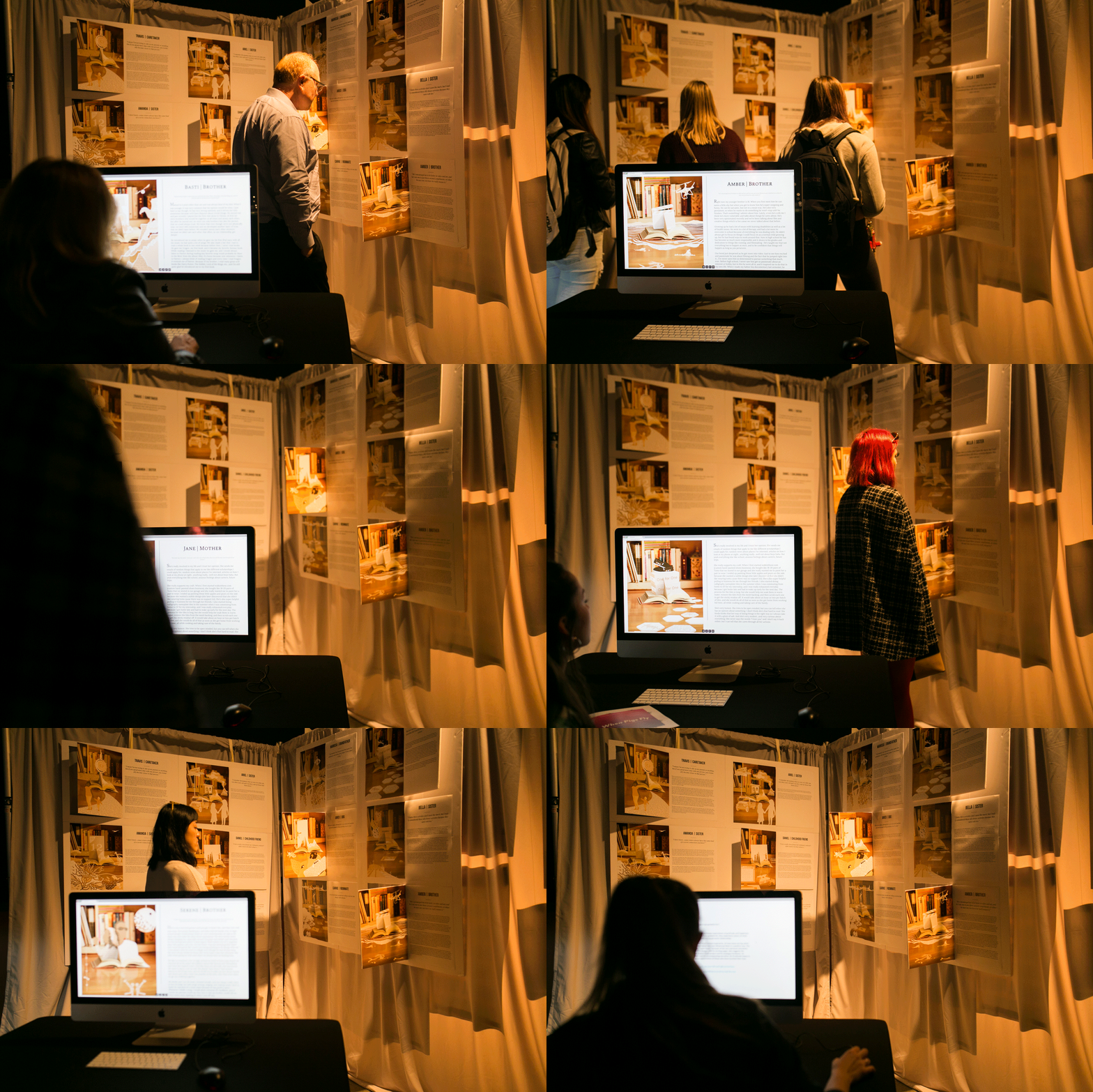
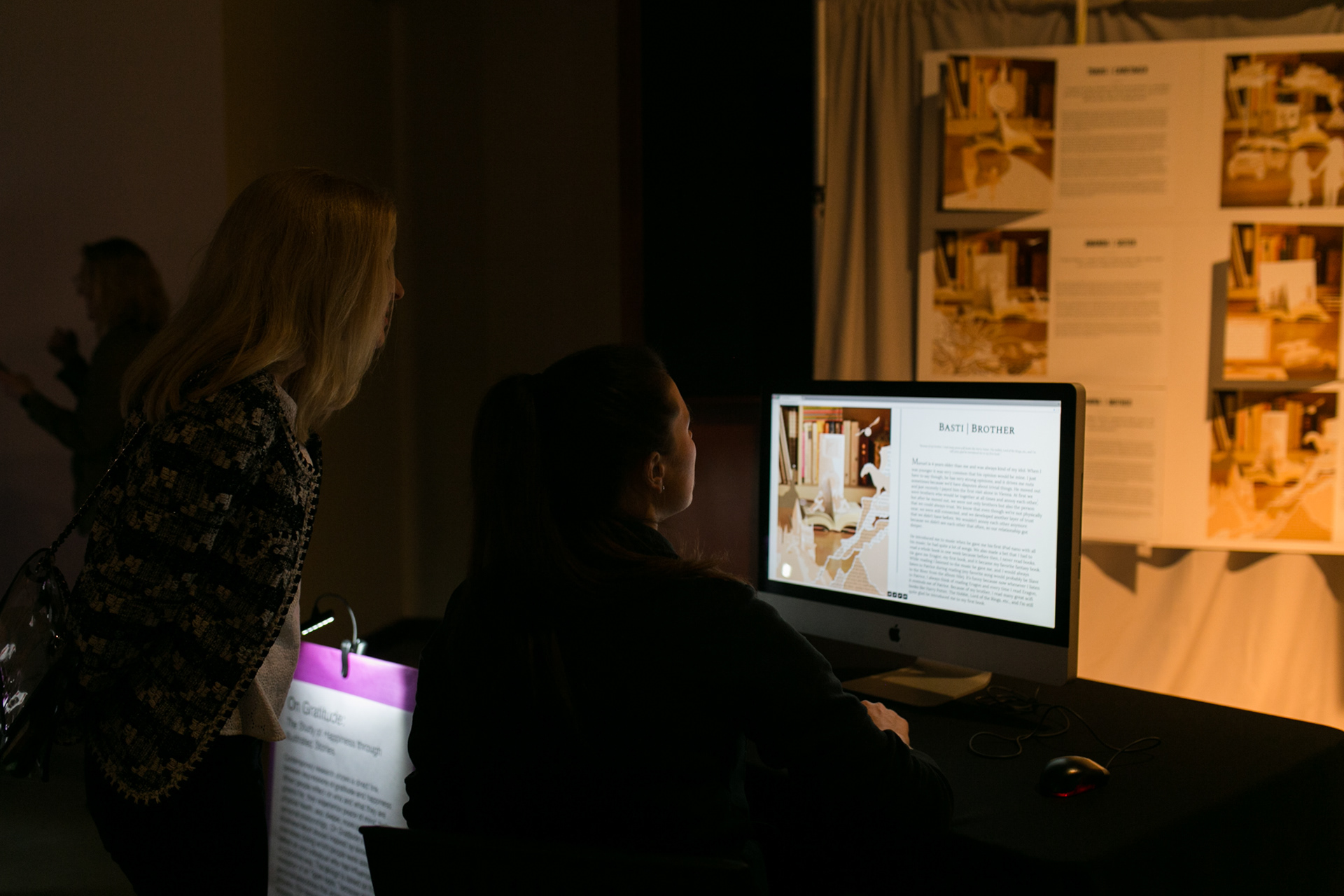
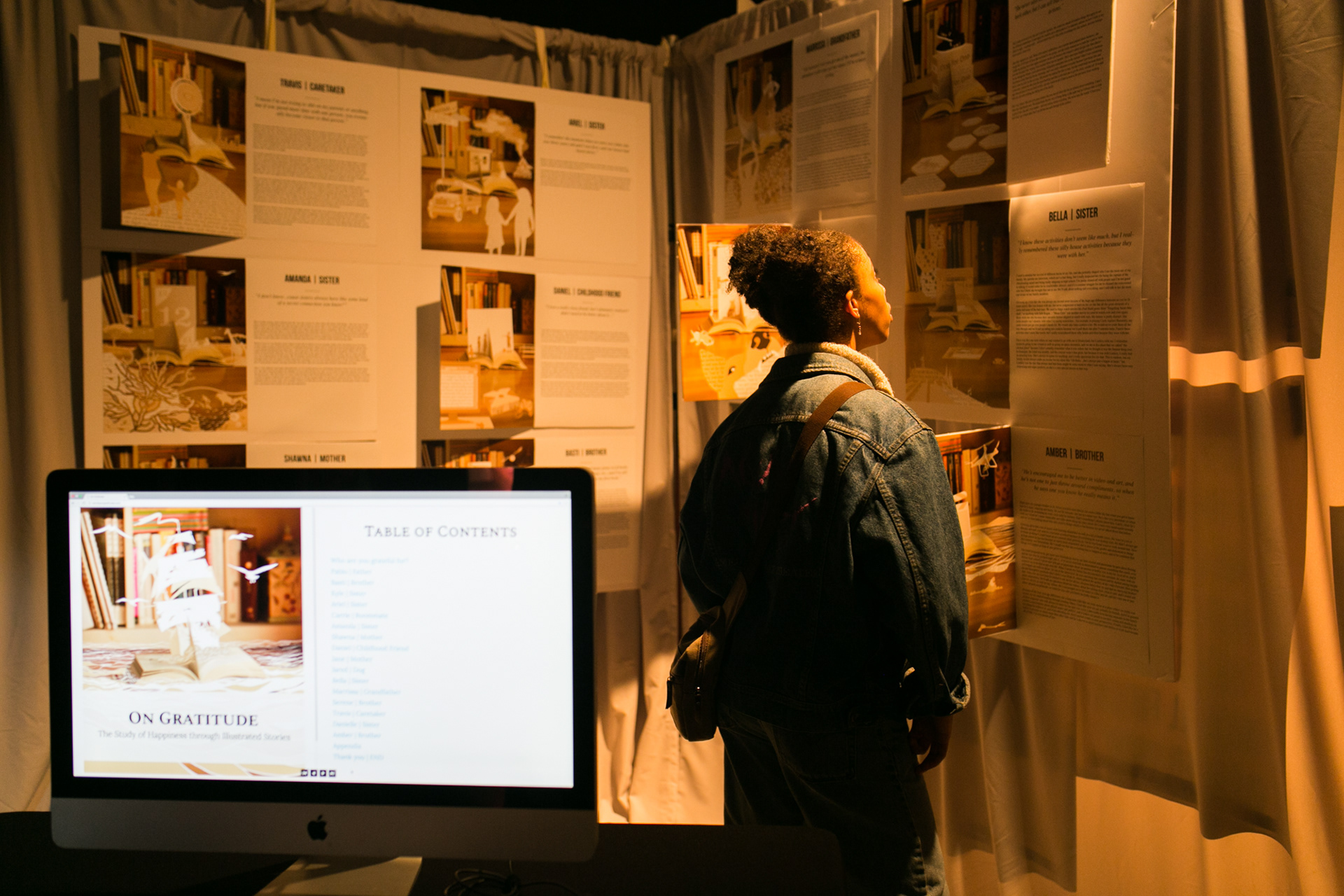
Special thanks to P. Virginia Khun, USC MEDIA ARTS + PRACTICE faculty, and USC MAP Class of 2018.